Guide
Are Packing Cubes Worth It?
The honest answer with the arithmetic: what cubes do, what they cost in grams, and the three cases where they are not worth it.
Top pick: Peak Design Packing Cube (Medium)
Packing cubes, compression cubes and organizers — with the honest answer about which of them saves space and which only saves time.
Nothing here has been tested by us. How we rank · Who writes this · How we earn
Guide
The honest answer with the arithmetic: what cubes do, what they cost in grams, and the three cases where they are not worth it.
Top pick: Peak Design Packing Cube (Medium)
Best compression cubes
Compression cubes ranked on published weight and capacity, with a clear account of the one thing compression actually does.
Top pick: Peak Design Packing Cube (Medium)
Best packing cubes
Cubes ranked on published added weight and capacity, with a straight answer about what organizing actually buys you.
Top pick: Peak Design Packing Cube (Medium)
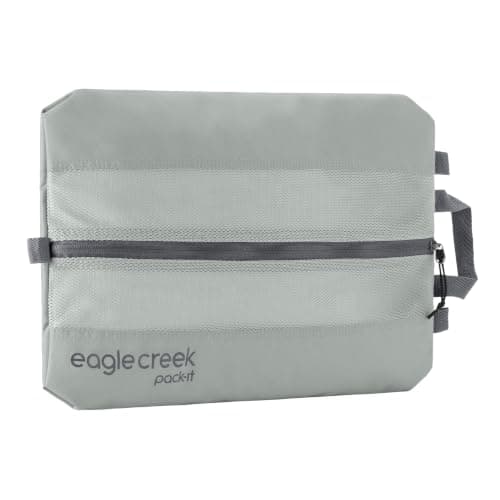
Best travel laundry bag
Why deployed-to-packed ratio is the spec, what a coating does and does not stop, and when a free hotel bag is the right answer.
Top pick: Eagle Creek Pack-It Reveal Shoe Sac
Best travel organizer
Cubes, pouches and toiletry bags ranked on published weight per liter and warranty — plus what a full organizing kit really costs you.
Top pick: Peak Design Packing Cube (Medium)
Best shoe bag pick
What a shoe bag actually costs in published weight and volume, and the packing method that beats buying one.
Top pick: Eagle Creek Pack-It Reveal Shoe Sac
Compression vs regular
The difference is one zip. Here is what it costs in weight, what it returns in volume, and which garments make it worth it.
Top pick: Peak Design Packing Cube (Medium)
Guide
What actually causes creases in a packed bag, why a full cube beats a half-empty one, and the four things that genuinely help.
Top pick: Peak Design Packing Cube (Medium)
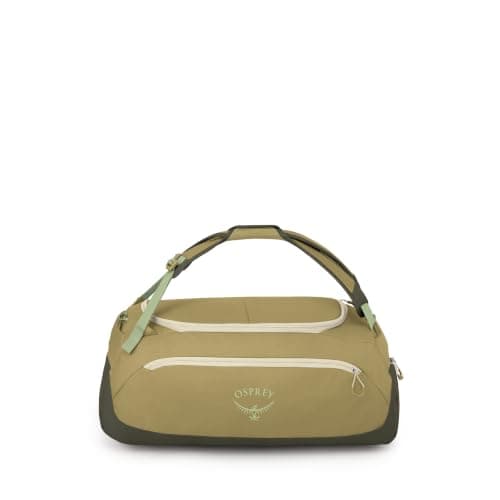
Guide
The eight-step method for a week in a carry-on, with the laundry arithmetic and what each step is actually for.
Top pick: Osprey Daylite Duffel 45
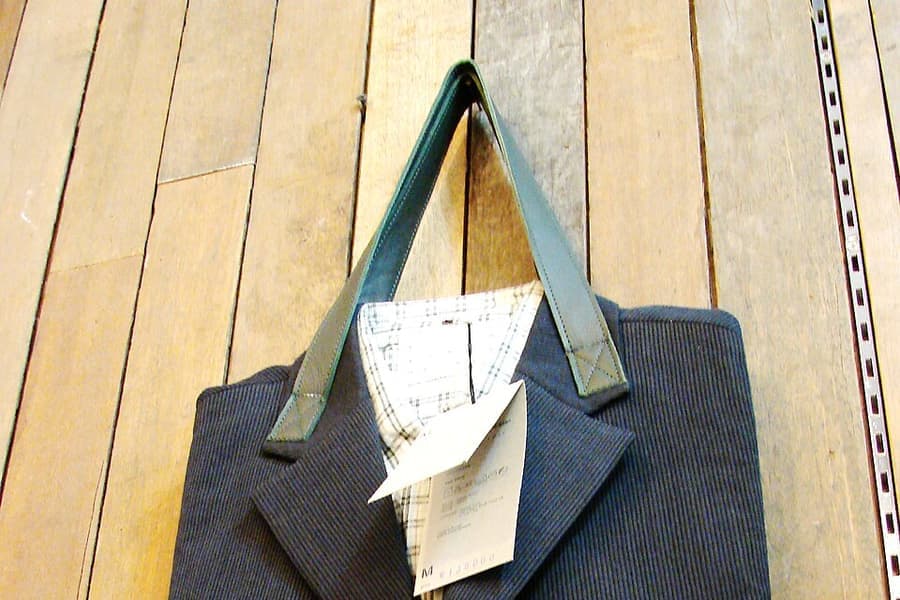
Best suit-packing method
The shoulder-inversion fold step by step, what actually causes creases, and how to recover a suit at the destination.
Top pick: Peak Design Packing Cube (Medium)
Best beach packing guide
Why a beach bag fills despite the light wardrobe, the liquids arithmetic, and what sand and salt actually do to gear.
Top pick: Osprey Daylite Duffel 45

Best two-week guide
Why two weeks is a laundry problem rather than a packing one, which fabrics make it work, and when to give up and check a bag.
Top pick: Peak Design Packing Cube (Medium)

Best winter packing guide
Why winter packing is a volume problem rather than a weight one, what to wear rather than pack, and where compression genuinely works.
Top pick: Peak Design Packing Cube (Medium)
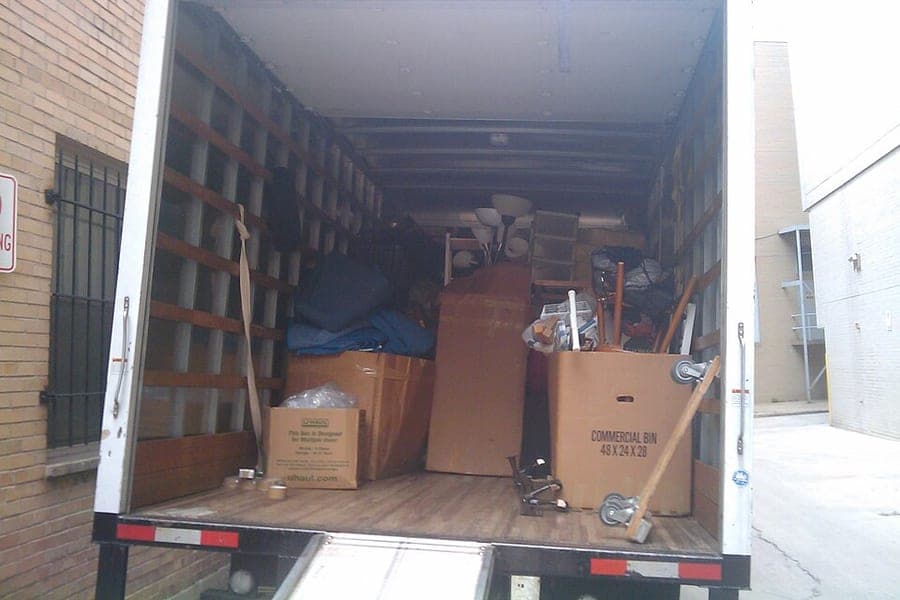
Best fragile packing guide
Why suspension beats padding, where the safe zone in a bag actually is, and what carriers exclude from liability.
Top pick: Peak Design Packing Cube (Medium)
Best liquids reference
The 3-1-1 rule stated precisely, the exemptions that do not count against it, and how to fit a real routine into 0.95 liters.
Top pick: Peak Design Wash Pouch (2.5L)
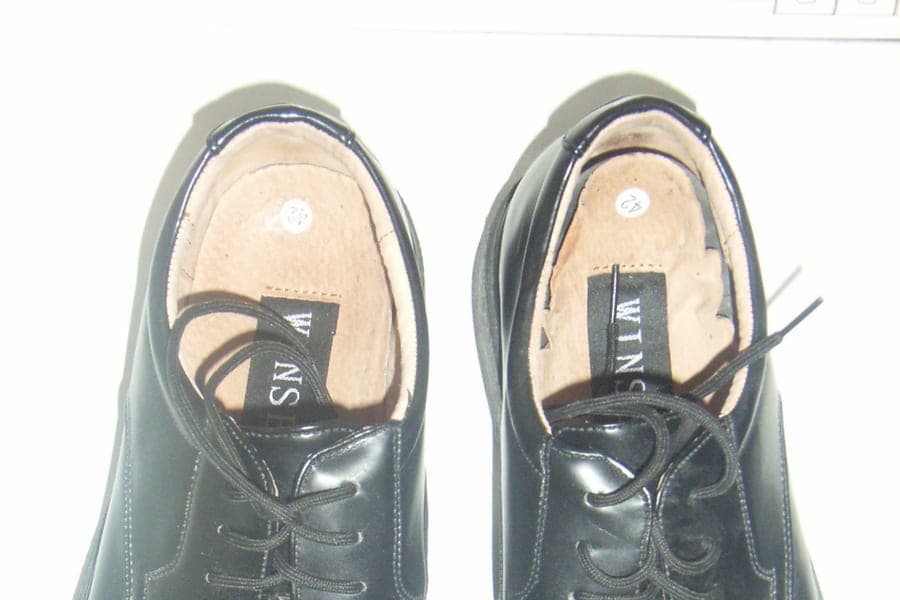
Best shoe-packing guide
Where shoes go in a bag, what to pack inside them, and why three pairs is the decision that ruins a carry-on trip.
Top pick: Peak Design Packing Cube (Small)
Best sizing reference
What S, M and L actually hold in liters across published cube sets, and how many fit a 40 L carry-on.
Top pick: Peak Design Packing Cube (Medium)

Cubes vs compression bags
Side by side on volume saved, weight added, wrinkles and durability — and why maximum compression is often the wrong answer.
Top pick: Peak Design Packing Cube (Medium)

Best packing-method comparison
When rolling beats folding and when it does not, judged by bag shape and by what actually causes a crease.
Top pick: Peak Design Packing Cube (Medium)
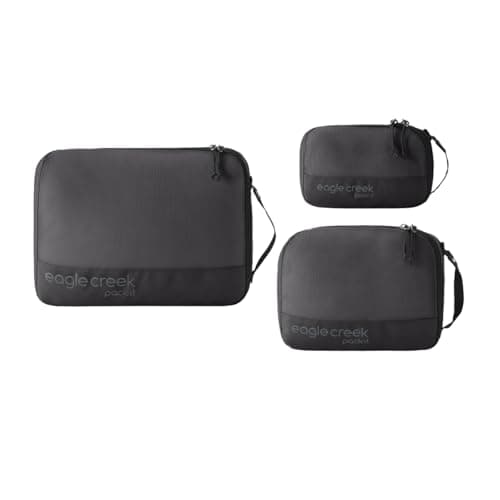
Best cubes for a carry-on
Packing cube sets measured against the interior a carry-on actually gives you, on published per-cube dimensions and added weight.
Top pick: Eagle Creek Pack-It Reveal Packing Cube Set (XS/S/M)
Eagle Creek vs Peak Design
Eagle Creek's Pack-It Reveal set against Peak Design's cubes on published capacity, weight, price per liter and warranty.
Top pick: Peak Design Packing Cube (Medium)
Lightest published cube
Published cube weights from every set in our ledger, and what they cost against the carriers that publish a carry-on weight cap.
Top pick: Eagle Creek Pack-It Reveal Shoe Sac
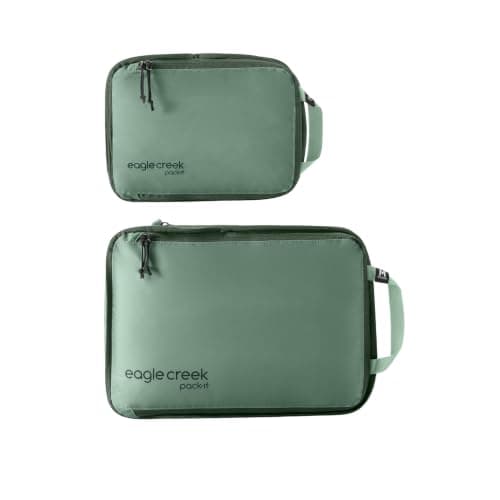
Weekend packing method
A two-to-three night packing method built around the free personal item, with the cube and liquid arithmetic worked out.
Top pick: Eagle Creek Pack-It Isolate Compression Cube Set
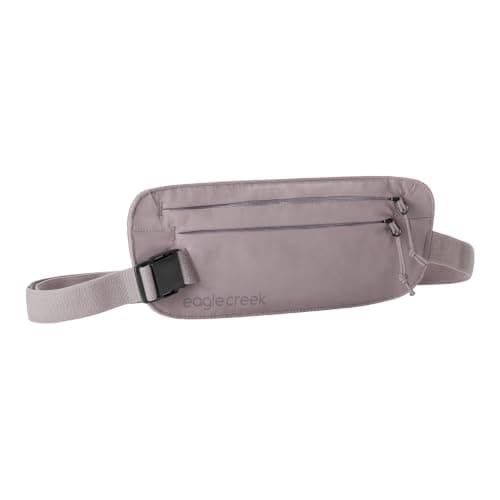
Europe packing list
A carry-on-only packing list for a European trip, built around the published cabin limits of the carriers you will connect on.
Top pick: Eagle Creek Undercover RFID Money Belt
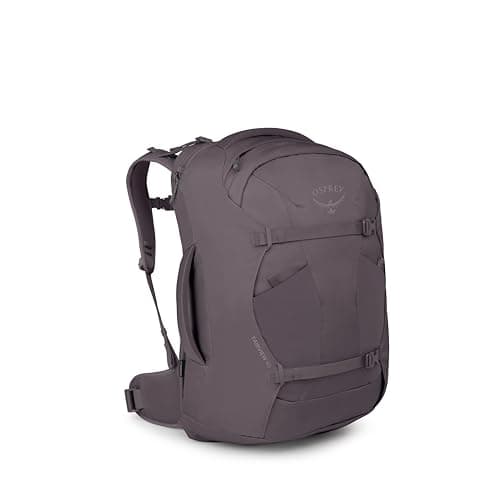
Month-long packing guide
Why a month fits the same carry-on as a week, the laundry arithmetic behind it, and the kit that makes it work.
Top pick: Osprey Fairview 40 Travel Pack
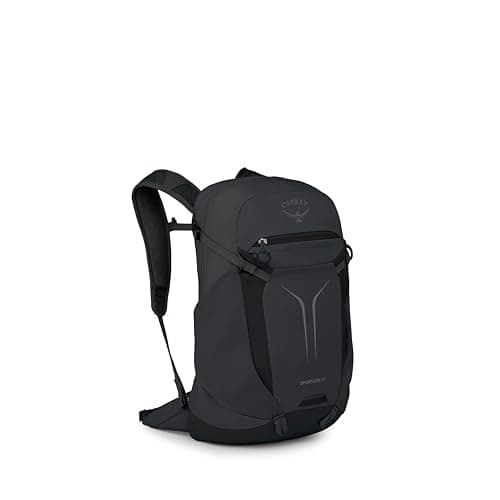
Capacity guide
What each capacity band is actually for, from 20 L to 108 L, and why volume tells you nothing about whether a bag is allowed on the plane.
Top pick: Osprey Daylite Plus 20L Backpack
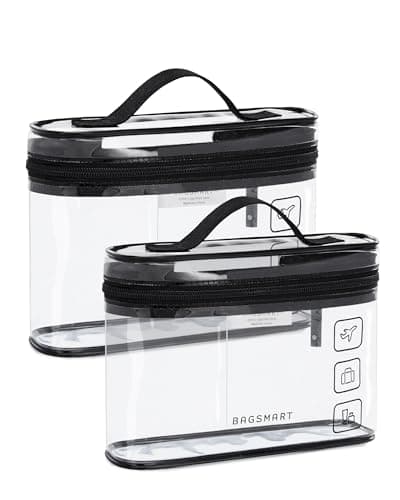
Checkpoint packing guide
What TSA actually publishes about divesting laptops and liquids, where its own sources disagree, and how to pack so the answer stops mattering.
Top pick: BAGSMART Space Saver Pro Toiletry Bag (Large)
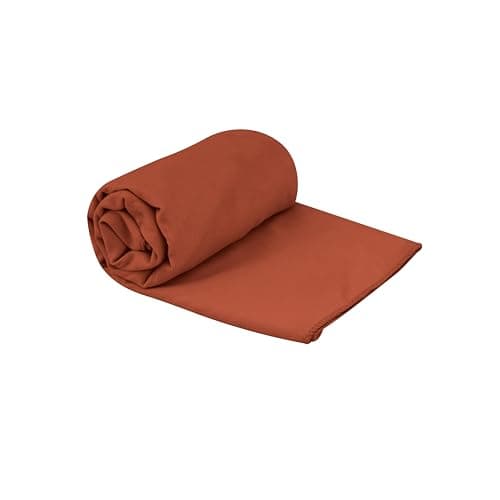
Best travel towel
Travel towels ranked on a computed figure the category never publishes - coverage per ounce - plus packed size and the one warranty that names no end date.
Top pick: Sea to Summit DryLite Towel (Medium)
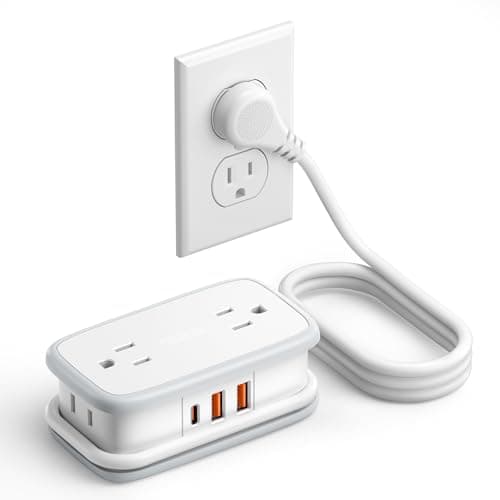
Cruise packing list
The non-clothing cruise packing list, built from the published prohibited-item policies of Carnival, Royal Caribbean and Norwegian.
Top pick: NTONPOWER 20W Travel Power Strip (4 outlets, 3 USB)
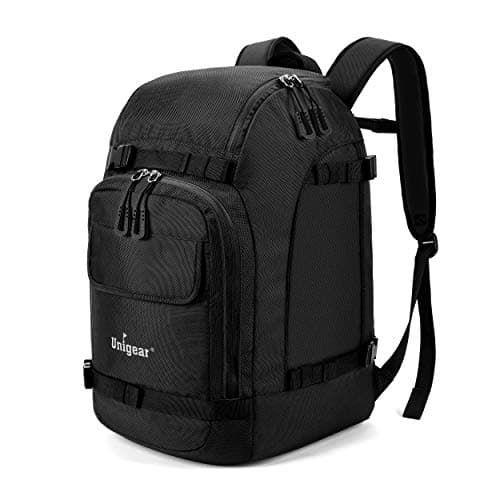
Ski trip packing list
The fly-or-rent decision for ski gear, built on the published 50 lb combined allowance, plus what belongs in the cabin.
Top pick: Unigear 50L Ski Boot Bag Backpack
Prices last verified October 19, 2026. Prices move — the figure you see on Amazon at the moment you click is the real one.
There are two products sold under one name here, and conflating them is why so many people conclude packing cubes are a scam. A packing cube organizes: it turns a case into drawers so you stop excavating. A compression cube has a second zip that squeezes air out of the pack, reducing volume. Only the second one makes anything smaller, and even then it reduces the air, not the clothes.
Everything in this section is scored on two published numbers: added weight and capacity. Cubes are the only product category on this site where the product itself is a tax on your allowance — a set that adds 1.4 lb to a bag on an airline with a 35 lb cap has spent four percent of your allowance on containers.
Vacuum compression bags reduce volume more aggressively than any cube, and they have two costs a cube does not: they need a way to expel the air, and they turn soft clothes into a rigid brick that fits a case badly. The side-by-side comparison is the page to read before you buy either.
If you only read one page in this section, make it the week-in-a-carry-on method. It is the page where the cubes stop being an accessory and become part of a system that fits seven days inside a bag that clears a sizer.
Fewer than the sets sell you. A six-piece set is designed to look like value on a shelf, and in a 40 L carry-on most of it stays home. The working configuration for almost everyone is two: one for clean clothes and one for worn. A single large cube with an internal divider does the same job in one object and for less weight, which is why it is the shape we rank highest.
Beyond two you are managing containers rather than luggage. The exception worth making is a laundry bag — it is the piece most sets leave out and the one you actually reach for on the way home, and it weighs almost nothing.
Cubes are the only thing you pack whose sole purpose is to hold other things you pack, so their weight is pure overhead and worth being precise about. The lightest single cube we track publishes 3.99 oz; the heaviest six-piece set publishes 11.7 oz, and heavier sets on the market reach 1.4 lb.
Against the 35 lb carry-on cap that Frontier, Breeze and Sun Country publish, two good cubes cost under one percent of your allowance and a heavy six-piece set costs four percent — roughly a day of clothing. That is the strongest argument in the category for buying fewer, better cubes, and it is why every ranking here leads on published weight.
Two things cubes are the wrong tool for. Shoe bags — because a cube is a rectangle and a shoe is not — and laundry bags, where the spec that matters is 30 liters deployed from something that packs to the size of a paperback.
If you are not sure cubes are for you at all, we answered that directly without the enthusiasm. If you have decided and want the picks, the ranking is here. If you are packing for cold weather, compression is the page — and if you are packing for a beach, it is not.
Cubes sized for a carry-on starts from the roughly 7 in of usable depth a cabin case gives you and works backwards. Eagle Creek against Peak Design settles the two premium systems on capacity per ounce, and do cubes add weight answers the question the category avoids: between 4 and 11.7 oz, published.
Two trip-length methods: packing a carry-on for a weekend, which mostly argues for the free personal item, and the Europe carry-on packing list, built around the published weight caps of the carriers you connect on.
A month in a carry-on turns out to be the same packing list as a week, because clothing stops scaling with trip length the moment you do laundry — the interval between washes is the only number that matters.
And how many liters you need walks the capacity ladder from 20 L to 108 L, with the caveat that undoes most bag shopping: a published 45 L duffel clears every US carrier we track while a 35 L pack clears four.
The newer scanners let a laptop stay in the bag, and on liquids TSA’s own sources disagree with each other — its policy page calls keeping 3-1-1 liquids in the bag a future goal while its press releases describe it as already happening. Since TSA publishes no list of which lanes have the new machines, the only safe plan is to pack for the stricter one.
Travel towels are ranked on a figure the category never prints: square inches of towel per ounce carried. The two that publish a weight land within 5 percent of each other, which means you are choosing how much towel rather than how clever it is. And what to pack for a cruise is built entirely from three lines’ own published prohibited-item pages — all three ban irons and steamers, and two of them publish opposite rules on power strips.
What to pack for a ski trip is mostly an argument for leaving things at home. Because the ski bag and the boot bag share one published 50 lb allowance, and the bags alone can be 16 lb of it, renting skis buys back most of the budget — while boots, the one item that is genuinely hard to replace at a resort, travel with you in the cabin.