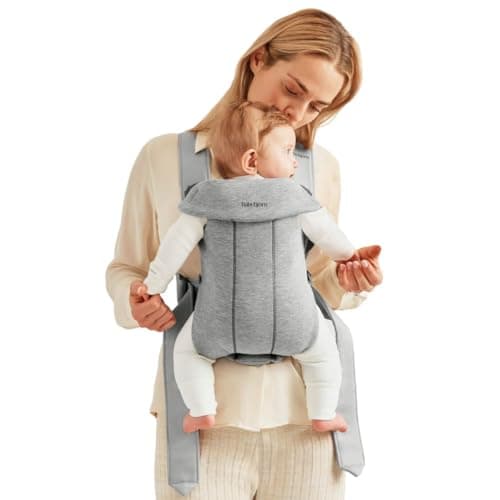
BabyBjörn Mini vs Omni Deluxe
BabyBjörn Mini vs Ergobaby Omni Deluxe
Two baby carriers compared for travel on published weight ranges, price and warranty - and which trip each one is actually for.
Top pick: BabyBjörn Baby Carrier Mini
Traveling with children changes the arithmetic: more allowance, more bags, and one FAA rule that decides how a child under 44 pounds is restrained.
Nothing here has been tested by us. How we rank · Who writes this · How we earn

BabyBjörn Mini vs Omni Deluxe
Two baby carriers compared for travel on published weight ranges, price and warranty - and which trip each one is actually for.
Top pick: BabyBjörn Baby Carrier Mini
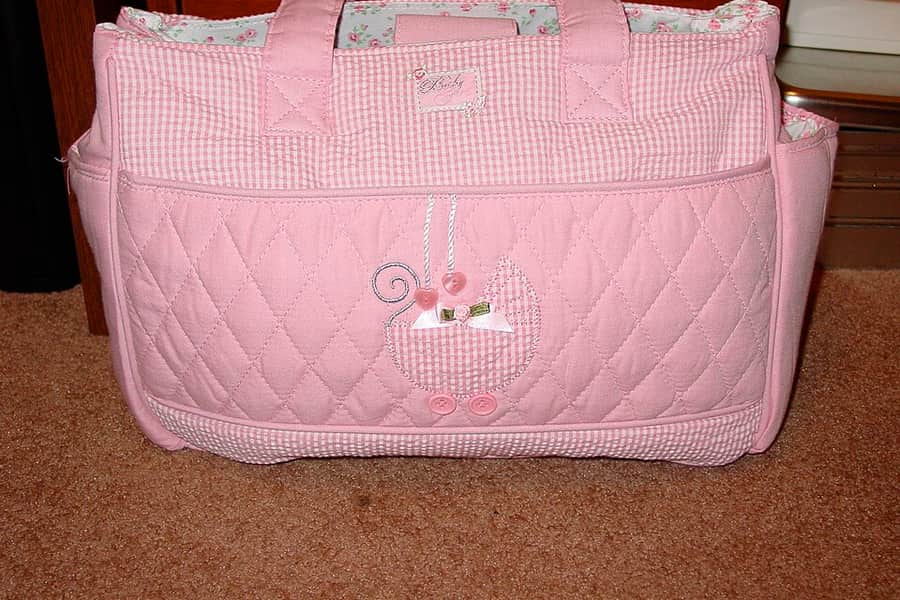
Best diaper bag for travel
Diaper backpacks tested on paper against every published personal-item box, plus the wipeable lining that matters when something leaks.
Top pick: Freshly Picked Classic Diaper Bag II
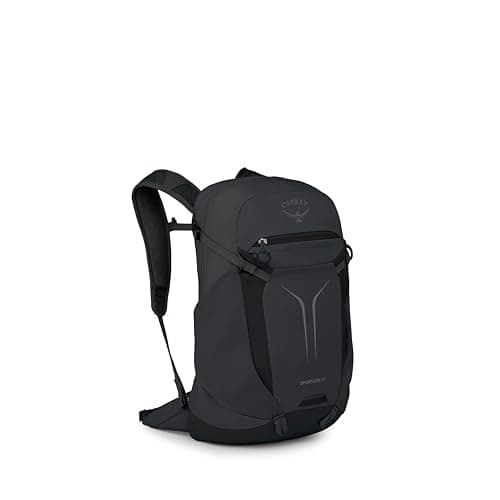
Best kids' travel pack
Small travel packs ranked on published weight and under-seat fit, with the loaded-weight arithmetic for a child.
Top pick: Osprey Daylite Plus 20L Backpack
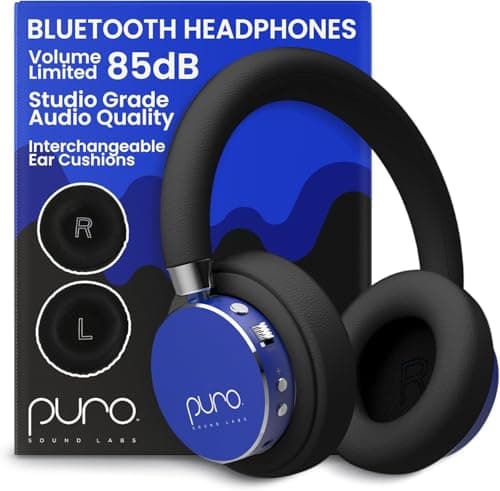
Best kids' headphones
Kids' headphones for flights compared on published volume limits, isolation and battery - and why an adult pair is the wrong answer.
Top pick: Puro Sound Labs BT2200-Plus Kids Headphones
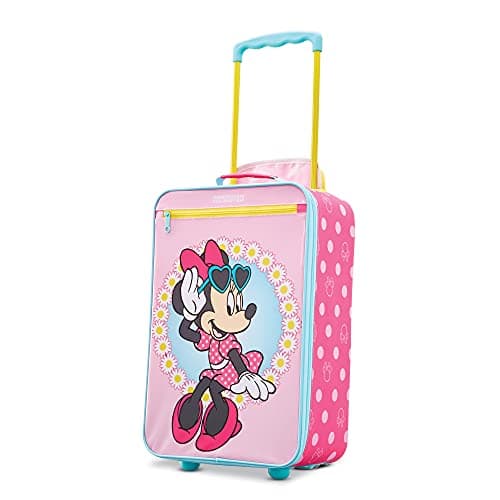
Best kids' luggage
Children's cases ranked on published weight and warranty term, plus the adult bags that work better than most kids' luggage does.
Top pick: American Tourister Disney Kids Hardside Upright (18 in)
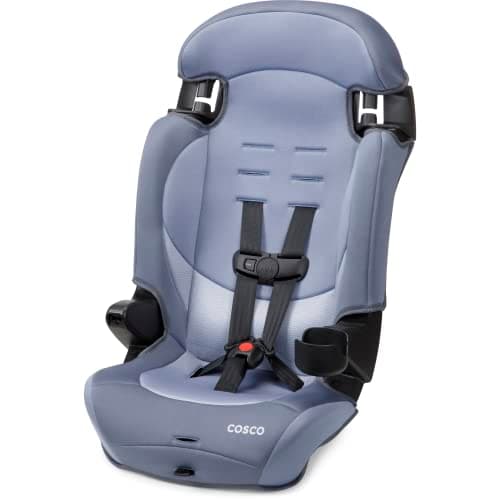
Best travel car seat
Travel car seats compared on published weight ranges, aircraft certification, weight and price - and the one-pound alternative for the flight itself.
Top pick: Cosco Kids Scenera Extend Convertible Car Seat

Best toddler travel kit
The toddler travel kit - restraint, stroller, headphones and bag - chosen by published weight band and costed in published pounds.
Top pick: CARES Child Aviation Restraint System
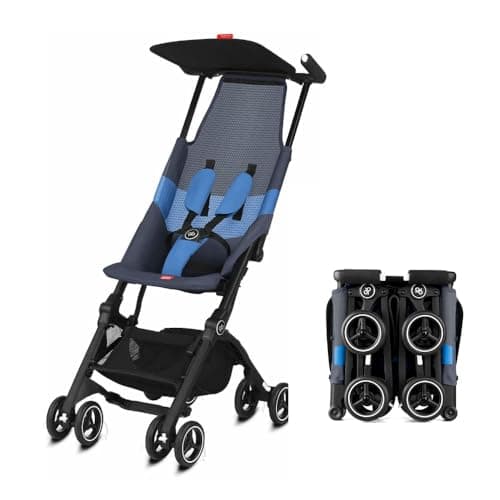
Best travel stroller
Travel strollers compared on published weight, folded size and age range - and the difference between fitting a bin and counting as a carry-on.
Top pick: gb Pockit Air All-Terrain Travel Stroller
Best kids' entertainment guide
How to make in-flight entertainment for children independent of the aircraft, and the battery arithmetic behind it.
Top pick: Osprey Daylite Plus 20L Backpack
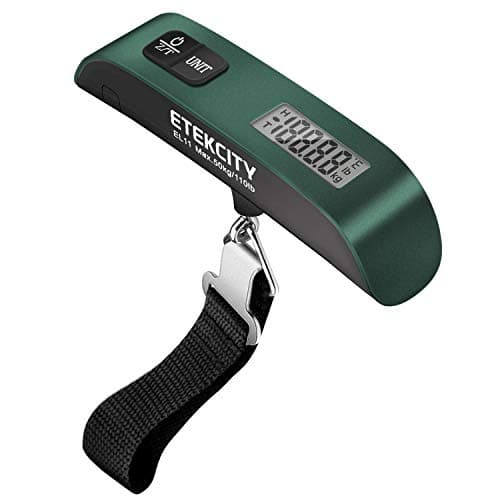
Best family mistakes guide
Six family packing errors, why consolidating is the root of most of them, and the allowance arithmetic families routinely miss.
Top pick: Etekcity EL11 Digital Luggage Scale
Best infant travel guide
What a lap infant does and does not add to your allowance, which baby items fly free, and the liquids exemption most parents never use.
Top pick: Osprey Daylite Plus 20L Backpack
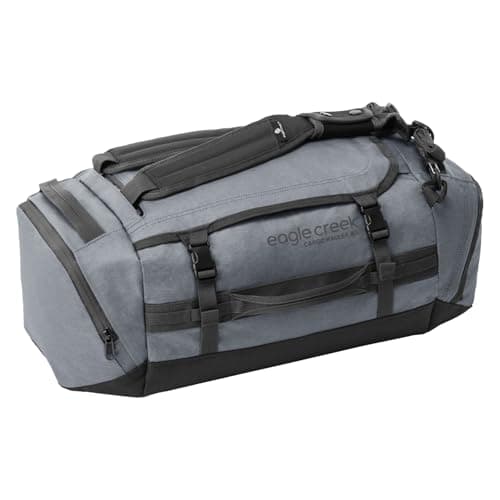
Best child-restraint reference
The published FAA position on child restraints, the CARES weight range, and the weight arithmetic of a harness against a car seat.
Top pick: Eagle Creek Cargo Hauler Duffel 40L
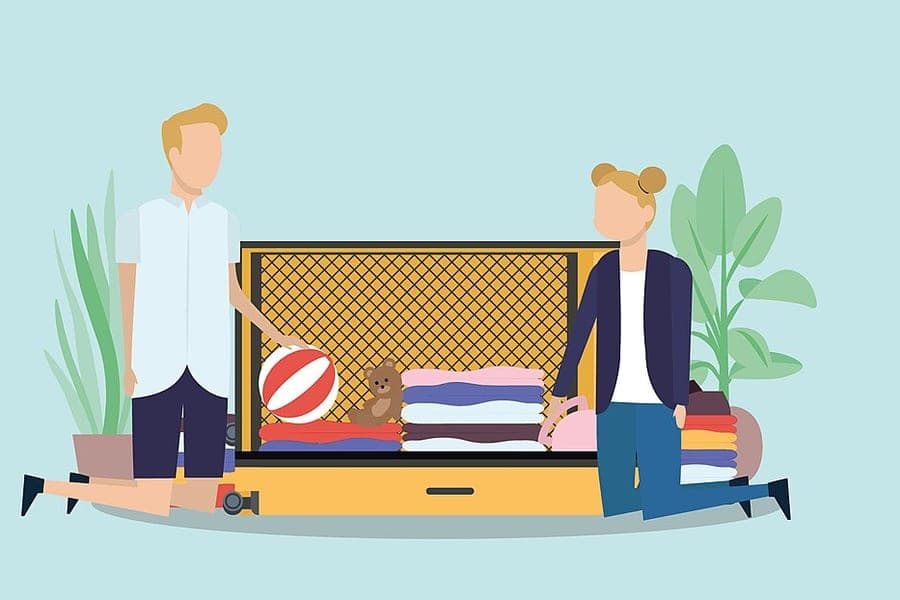
Best family packing guide
How to distribute a family across the allowance you already hold, and the one case on this site where a six-piece cube set genuinely earns its walls.
Top pick: Peak Design Packing Cube (Medium)
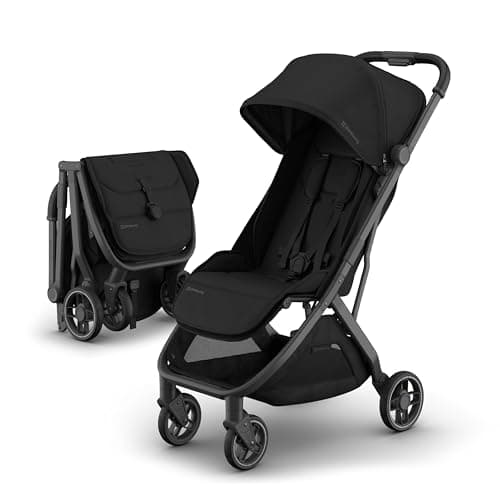
Minu V3 vs Pockit Air
The two cabin-sized travel strollers compared on published weight, folded size, minimum age and whether a warranty term exists.
Top pick: UPPAbaby Minu V3 Travel Stroller
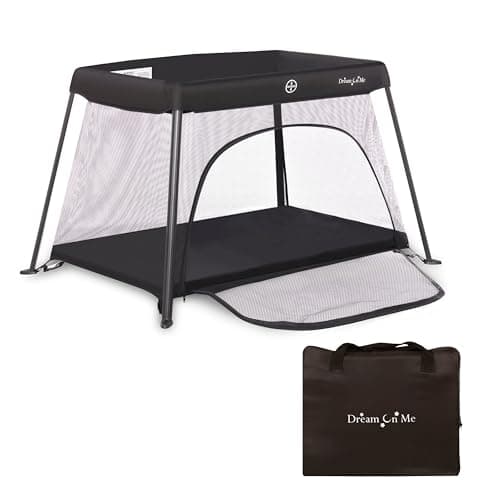
Best travel crib
Travel cribs compared on published weight, folded size and the federal play yard standard - plus the checked-bag fee that strollers avoid and cribs do not.
Top pick: Dream On Me Travel Light Playard
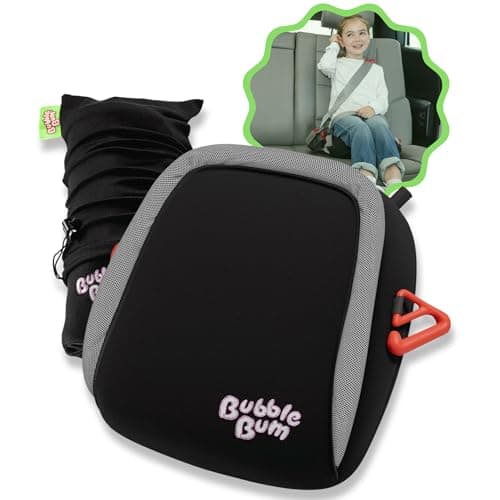
Best travel booster seat
Travel boosters compared on published weight and packed volume against a carry-on box, plus the federal rule that keeps every one of them out of the cabin seat.
Top pick: BubbleBum Inflatable Booster Seat
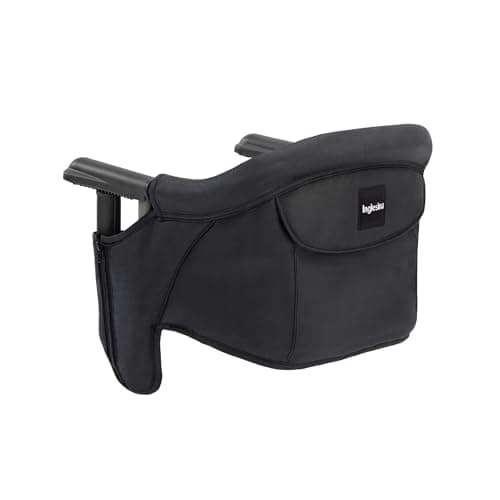
Best travel high chair
Travel high chairs compared on published clamp range, weight and packed volume - and checked against eleven published US carry-on boxes.
Top pick: Inglesina Fast Table Chair
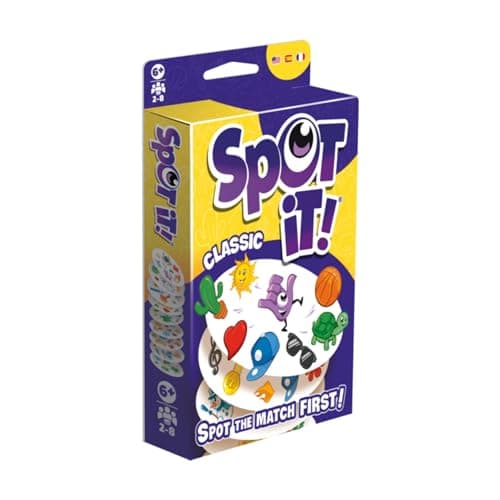
Best travel game
Travel games compared on published weight, pack size, player count and the one thing nobody lists: how much flat surface each one needs to play.
Top pick: Spot It! Classic Card Game (Pocket Edition)
Prices last verified October 21, 2026. Prices move — the figure you see on Amazon at the moment you click is the real one.
Family travel is not adult travel with more stuff. It changes three things at once, and each of them has a published rule or number behind it that most guidance never states.
Every ticketed passenger gets their own allowance. A family of four flying a carrier that publishes one carry-on plus one personal item per passenger has eight bags of entitlement, and most families use four. The practical consequence is that you almost never need to check a bag on a family trip; you need to distribute across the allowances you already have.
A lap infant is the exception. A child under two traveling on an adult’s lap is generally not a ticketed passenger and generally does not carry their own allowance — which is exactly when families most want the extra space. Check your carrier’s published policy for what a lap infant is permitted, because it varies more than any other line in a baggage policy.
The FAA publishes rules on child restraint on aircraft, and there is exactly one approved harness-type device: the CARES system, published by AmSafe as certified for children weighing 22 to 44 pounds. Below that range the answer is an approved car seat; above it, the aircraft seat belt.
The trade is weight and bulk. A CARES harness is published at under a pound; a car seat is ten times that and has to be carried through a terminal, fitted, and either used or gate-checked at the door. Both are legitimate. The decision is about the whole journey, including the taxi at the other end where a harness does nothing.
The temptation is to buy the cheapest case with the right character printed on it. Worth knowing before you do: at least one kids’ range publishes the same limited 10 year global warranty as the adult line it sits beside. A ten-year warranty on a bag a seven-year-old chose is a slightly absurd combination and it is also genuinely good value.
The specification that matters most is weight, because a child who cannot lift their own bag is a bag you are carrying. The kids’ case we compile publishes 4.2 lb, which is lighter than most adult carry-ons on this site.
The heaviest things a family carries are not suitcases. Six pages cover them on the published numbers that decide each one: travel strollers (weight, fold and the age each is rated from), travel car seats (aircraft certification and weight band), two baby carriers, diaper bags checked against every published personal-item box, kids’ headphones capped at 85 dB, and the toddler kit costed as a whole.
One person packing for a week is an optimization problem. Four people packing for a week is an organization problem — the constraint stops being volume and becomes finding a specific child’s specific thing in a hotel room at eleven at night. That is the one case on this whole site where a six-piece cube set genuinely earns its walls: one color per person.
Everything else in this section follows from those four facts. As everywhere on this site, the figures come from the manufacturer’s or the regulator’s own published documents, and where nothing is published we say so rather than estimate.
The Minu V3 against the gb Pockit Air is 6.3 lb apart, and only one of the two publishes the folded dimensions that its own hand-luggage claim depends on.
A booster is the one child restraint federal regulation names as not approved for use in an aircraft, so the best travel booster seat is judged on what it packs to rather than how it rides. The spread is larger than the category admits: the smallest folds to 7 percent of a carry-on box, and an ordinary back-seat booster is 83 percent of one and does not fold at all.
Strollers and car seats are published as free checked items. A play yard is not on that list, which is why the best travel crib starts with a bag fee rather than a ranking. All four cribs meet the same federal play yard standard, so the decision comes down to two published numbers: carried weight, which runs 10.5 lb to 21.2 lb, and folded size — where one of them clears the published carry-on box at three US carriers.
The best travel high chair turns on a specification nobody puts on the box: the published clamp range. One chair here takes tables 0.8–3.5 in thick and another takes 0.75–1.5 in, a window 3.6× narrower — which decides whether the chair works in a restaurant you did not choose. Run against the carrier table, the smallest of the three still fills 88.9% of a carry-on box and clears one airline, so a travel high chair is a checked item.
Travel games are sorted by the thing no listing mentions: the surface each one needs. A card game played from the hand works in a middle seat with the tray up; a tile game that builds a growing crossword does not. The magnetic chess set is the outlier in both directions — it survives turbulence, and it weighs more than the other three games on the page combined.