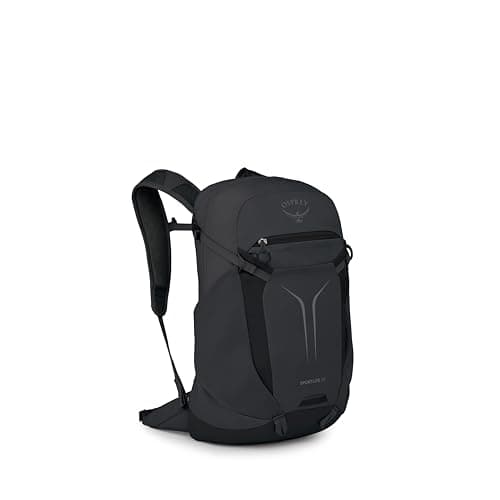
Best anti-theft bag
Anti-Theft Travel Bags
Anti-theft bag features ranked by what each one prevents, with published specifications and an honest account of where the category oversells.
Top pick: Osprey Daylite Plus 20L Backpack
Locks, trackers and anti-theft bags, judged on what they actually prevent. Most of this category sells reassurance; two products here sell a published capability.
Nothing here has been tested by us. How we rank · Who writes this · How we earn

Best anti-theft bag
Anti-theft bag features ranked by what each one prevents, with published specifications and an honest account of where the category oversells.
Top pick: Osprey Daylite Plus 20L Backpack
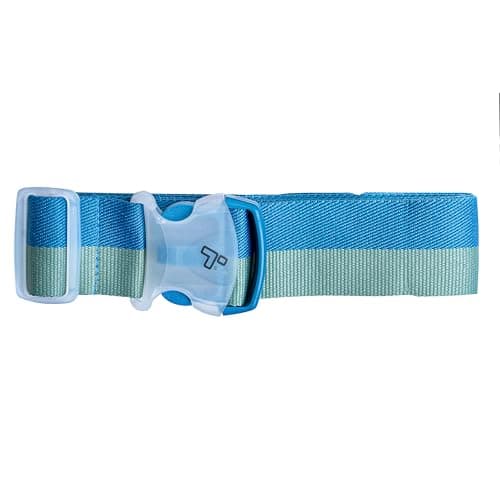
Best luggage strap
Luggage straps compared on published length, circumference and lock - and the arithmetic showing which way they fit a large checked case.
Top pick: Travelon Luggage Strap
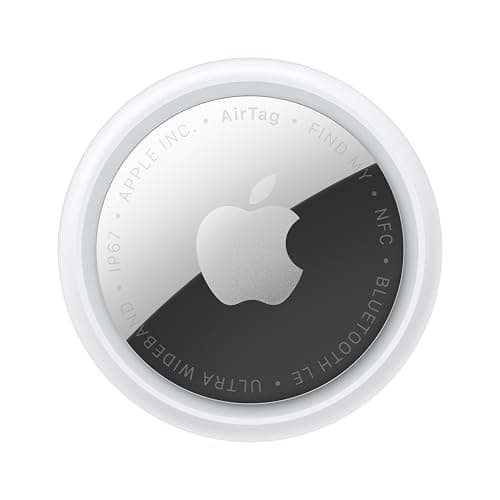
Best luggage tracker
AirTag and Chipolo ONE Point compared on published size, loudness, water rating and battery - and the platform lock that decides it.
Top pick: Apple AirTag (2nd generation)
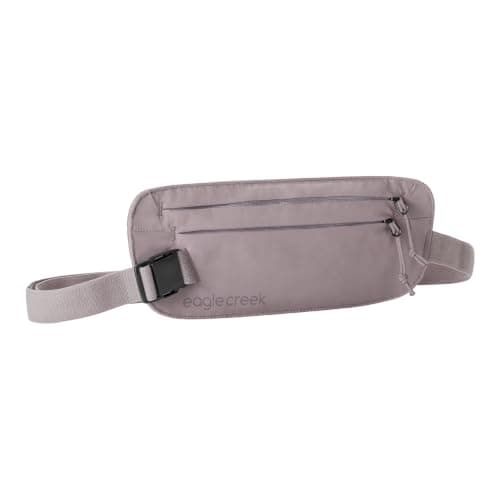
Best money belt pick
Money belts and document carriers compared on published weight and warranty, and the strategy that makes them worth wearing.
Top pick: Eagle Creek Undercover RFID Money Belt
Best personal safety alarm
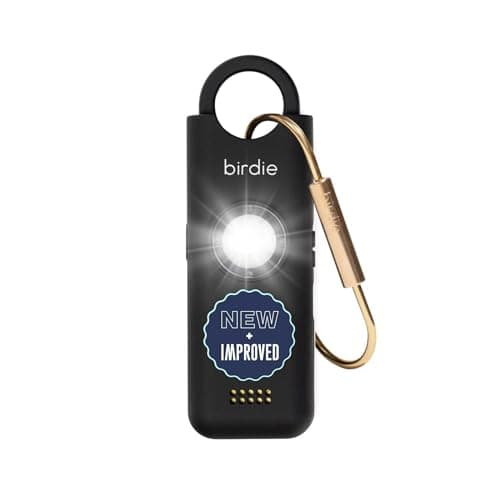
Personal safety alarms for travel compared on published loudness, range and power source - and what an alarm is realistically for.
Top pick: She's Birdie Birdie 3.0 Personal Safety Alarm
Best portable door lock
What a portable door lock actually defeats, where it does not work at all, and the fire-safety rule that goes with it.
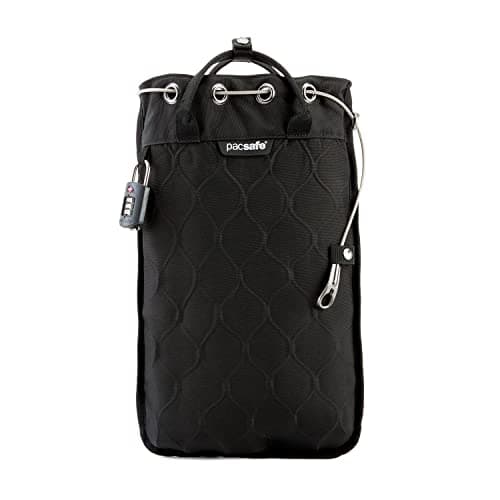
Top pick: Pacsafe Travelsafe X15 Portable Safe (15 L)
Best portable safe pick
What a portable travel safe actually prevents, the published weight and price it costs you, and the cheaper answers that usually win.
Top pick: Pacsafe Travelsafe X15 Portable Safe (15 L)
Best luggage lock
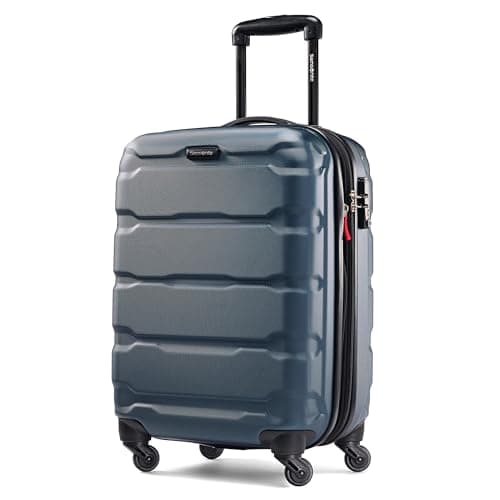
TSA-accepted locks and built-in lock cases, ranked on published specifications - with a straight account of what a lock does and does not prevent.
Top pick: Samsonite Omni PC Carry-On Spinner (20 in)
Best hotel security guide
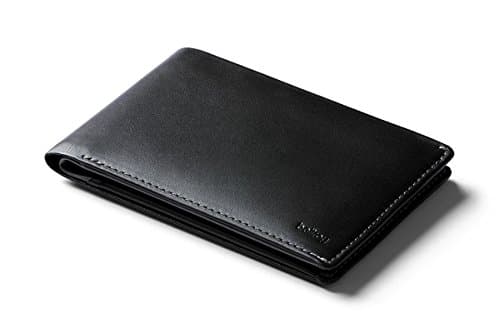
What a hotel safe actually protects against, where valuables should go instead, and the free habits that do most of the work.
Top pick: Bellroy Travel Wallet (RFID)
Best valuables guide
Why splitting beats securing, what carriers exclude from checked-baggage liability, and the free habits that outperform the products.
Top pick: Osprey Daylite Plus 20L Backpack
Best document backup guide
What to photograph before a trip, where to store it, and what each backup is actually used for when something goes wrong.
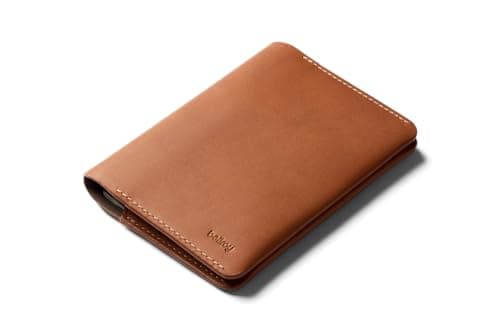
Top pick: Bellroy Passport Cover
Best lost-bag guide
The steps in order after a bag goes missing, what the DOT publishes about delayed baggage, and the preparation that changes the outcome.
Top pick: Osprey Daylite Plus 20L Backpack
AirTag vs Chipolo
The two luggage trackers compared on published size, water rating, alarm loudness, battery and the phone platform each one requires.
Top pick: Apple AirTag (2nd generation)
TSA locks, assessed
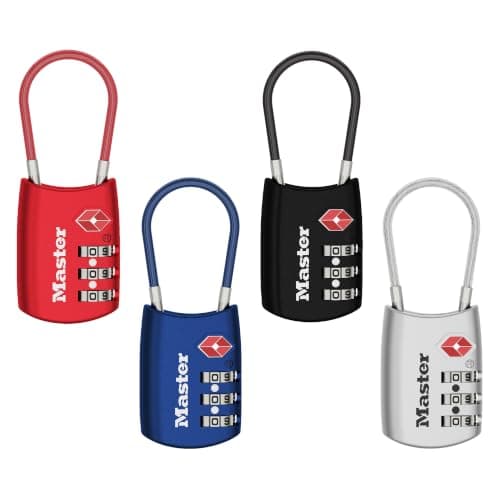
What a TSA-accepted lock prevents, what it cannot prevent, and the cheaper alternatives that do the same job.
Top pick: Master Lock 4688D TSA-Accepted Combination Luggage Lock
Portable safe, assessed
A portable safe costed against the cheaper things that solve most of the same problem, with the cases where it genuinely wins.
Top pick: Pacsafe Travelsafe X15 Portable Safe (15 L)
Money belt verdict
The honest case for and against a money belt, what it should actually hold, and the cheapest cost-per-year figure in our ledger.
Top pick: Eagle Creek Undercover RFID Money Belt
Hotel vs portable safe
In-room safes against portable travel safes - what each actually protects against, how each one fails, and the $17.95 alternative.
Top pick: Pacsafe Travelsafe X15 Portable Safe (15 L)
Tracker sharing guide
The published steps for Apple's Share Item Location and Google's Find Hub equivalent, which airlines accept each, and what the recovery figures actually say.
Top pick: Apple AirTag (2nd generation)
Best luggage tag
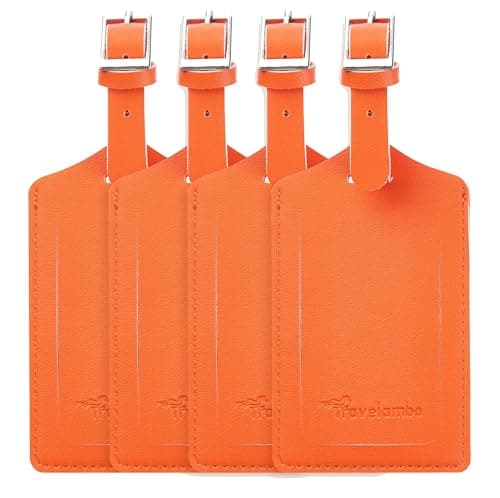
Luggage tags judged on the two things that actually differ: whether the address is covered, and whether the attachment is steel or plastic.
Top pick: Travelambo Leather Luggage Tags (4 pack)
Prices last verified October 21, 2026. Prices move — the figure you see on Amazon at the moment you click is the real one.
This is the section of the travel-gear market with the widest gap between what a product promises and what it does. A padlock that a screener can open with a master key is not a security device in the sense the word normally carries. A Bluetooth tracker does not stop anything at all — it tells you where the thing you already lost is now. An anti-theft backpack does not defeat a determined thief; it defeats an opportunist, which is a smaller claim and a more useful one.
None of that makes these products worthless. It makes them worth buying for the right reason. The purpose of this section is to state each reason plainly, then rank on published figures rather than on the anxiety the category is normally sold with.
The mistake almost everyone makes is treating “travel security” as one problem. It is three, and they barely overlap.
A TSA-accepted lock carries a master keyway that screeners in a published 29 countries can open. People read that as a weakness. It is the entire point: the alternative is a lock a screener cuts off, leaving your bag unlocked for the rest of its journey and you buying another lock at the destination.
So the honest framing is that a TSA lock is a zip deterrent, not a vault. It stops a bag being opened casually, it survives inspection, and it is the correct product for exactly that job.
This is the one genuinely new capability in the category. A tracker in a checked bag turns “the airline says it is somewhere in the system” into a location you can read out loud at a desk. Both trackers we compile publish the specifications that matter — size, battery, water rating and, in one case, a 120 dB alarm loud enough to find a bag by ear in a room.
They are also the clearest platform split on this site: one requires an Apple device, the other requires Android 9 or later. There is no cross-platform answer in our ledger, and buying the wrong one is buying a coin cell in a plastic disc.
Portable door locks address the realistic hotel risk, which is someone holding a legitimate key. Portable safes cover the hours you are out of the room — and the anchor cable matters more than the mesh. Money belts are the only product here that splits what you carry rather than hardening it.
Luggage straps hold a failing case shut and make it findable on the belt — they are not security, and on a large case they only go around the short way. Personal safety alarms buy attention rather than defense, and with both models publishing 130 dB, the battery is what decides between them.
We have not tried to break into any of these, and we have no basis for an opinion on how a slash-resistant panel behaves against an actual blade. What we can do is publish what each maker states — lock materials, tracker range and battery, bag capacity and the presence of lockable zippers — and be precise about the threat each one addresses. Where a manufacturer publishes nothing, the cell reads “Not published” and the axis is dropped rather than guessed.
One more thing, free and better than everything on this page: photograph your passport’s data page and email it to yourself, and keep your backup card somewhere other than your wallet. Neither costs anything and both do more on a bad day than any product here.
AirTag against the Chipolo ONE Point is decided by the phone in your pocket before a specification is read — and after that, by a published IP67 rating against IPX5, which is the difference that matters inside a checked bag on a wet belt.
Are money belts worth it is the honest version: at $1.75 per covered year it is the cheapest item in our ledger, and it is worthless the moment you use it as a wallet.
Hotel safe against portable safe compares a free bolted-down box with a published $179.95 bag, and finds they fail in opposite directions — one has a staff override, the other is only as strong as what you tie it to.
A tracker in a checked bag used to leave you arguing with an agent who could not see what you could see. Both phone platforms have fixed that: how to share your tracker’s location with an airline covers Apple’s Share Item Location and Google’s Find Hub equivalent, which airlines accept each, and the figure that matters — SITA reports truly lost bags down 90% where sharing is switched on.
Luggage tags is the one page in this section about a commodity, and it says so. A tag does not deter theft and does not help an airline find a bag — airlines route on the barcode they attach at check-in. One feature does real work: a privacy flap over the card, so a concourse cannot read your home address off the side of your suitcase. One of the three tags we track publishes one.
Are TSA luggage locks worth it and is a portable travel safe worth it — both of which end up recommending something cheaper than the headline product.