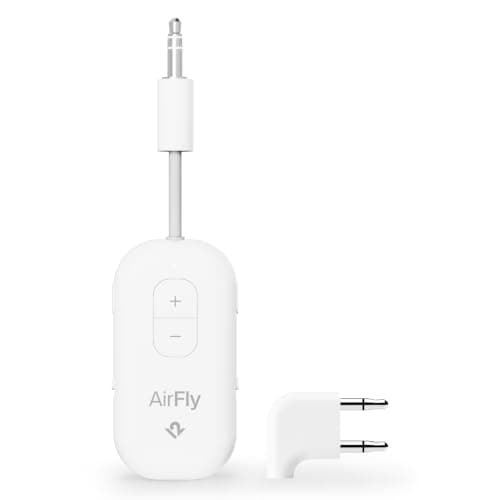
Best airplane Bluetooth adapter
The Best Airplane Bluetooth Adapter
Bluetooth transmitters for seatback entertainment, compared on published battery, pairing and what comes in the box.
Top pick: Twelve South AirFly Pro 2 Deluxe
Power banks, headphones and cable organizers — scored on the published numbers that decide whether they work on a plane, starting with watt-hours.
Nothing here has been tested by us. How we rank · Who writes this · How we earn
Best airplane Bluetooth adapter
Bluetooth transmitters for seatback entertainment, compared on published battery, pairing and what comes in the box.
Top pick: Twelve South AirFly Pro 2 Deluxe
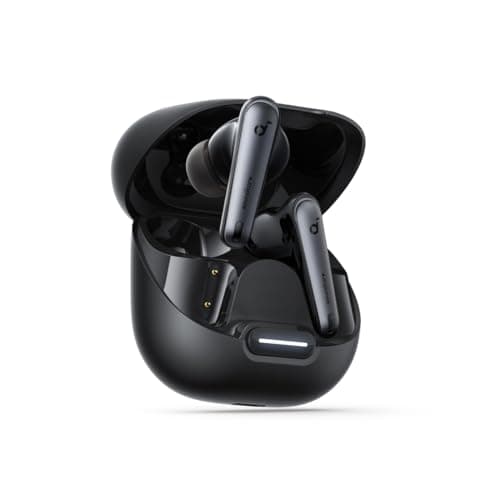
Best earbuds for flying
Noise-cancelling earbuds for flights compared on published battery per charge and with the case, weight and price - and why they still need a transmitter for the seatback.
Top pick: Soundcore Liberty 4 NC Noise-Cancelling Earbuds
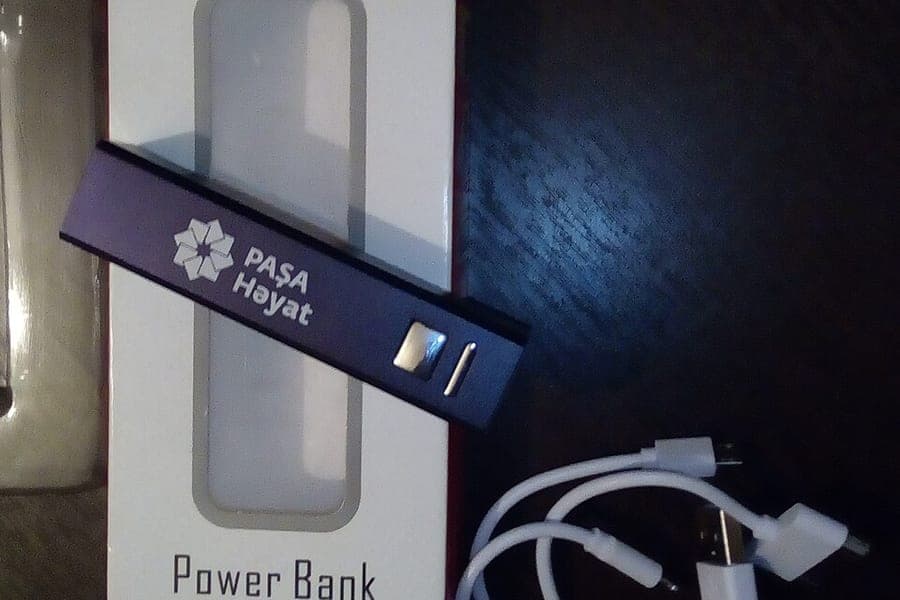
Best laptop power bank
Laptop-capable power banks judged on published output and the 100 Wh cabin ceiling, with the conversion nobody prints on the box.
Top pick: Anker PowerCore 10000 PD Redux
Best layover guide
The power arithmetic for a long layover, what to carry, and the security and comfort decisions that matter more than the gear.
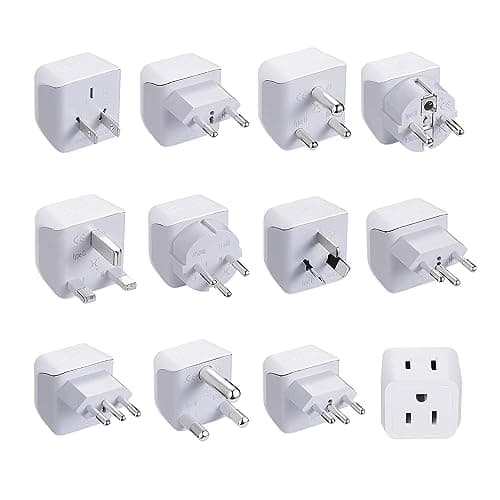
Top pick: Ceptics World Travel Adapter Kit (11-piece)
Best cable organizer
Cable and tech pouches ranked on published weight, depth and warranty — with the case for buying the lighter one.
Top pick: Peak Design Tech Pouch
Best travel charger
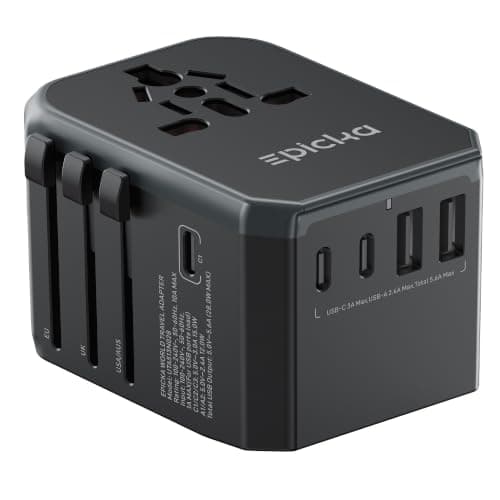
Multi-port GaN chargers ranked on the two published figures that decide them abroad: input voltage range and what each port gets under load.
Top pick: EPICKA TA-105C Universal Travel Adapter
Best travel hair dryer
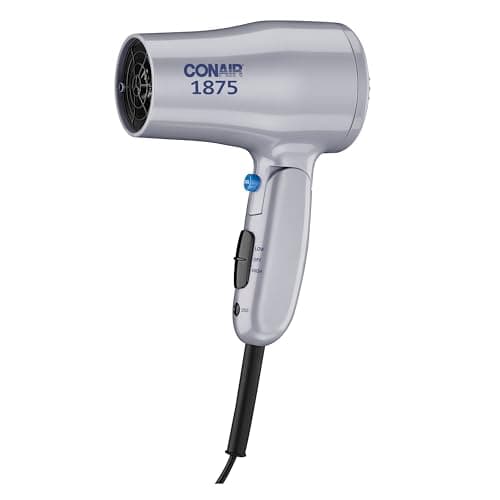
Dual-voltage travel hair dryers compared on published power and voltage, with the current arithmetic for the plug adapter it still needs.
Top pick: Conair 1875 Watt Compact Dual Voltage Travel Hair Dryer (127NPN)
Best travel power bank
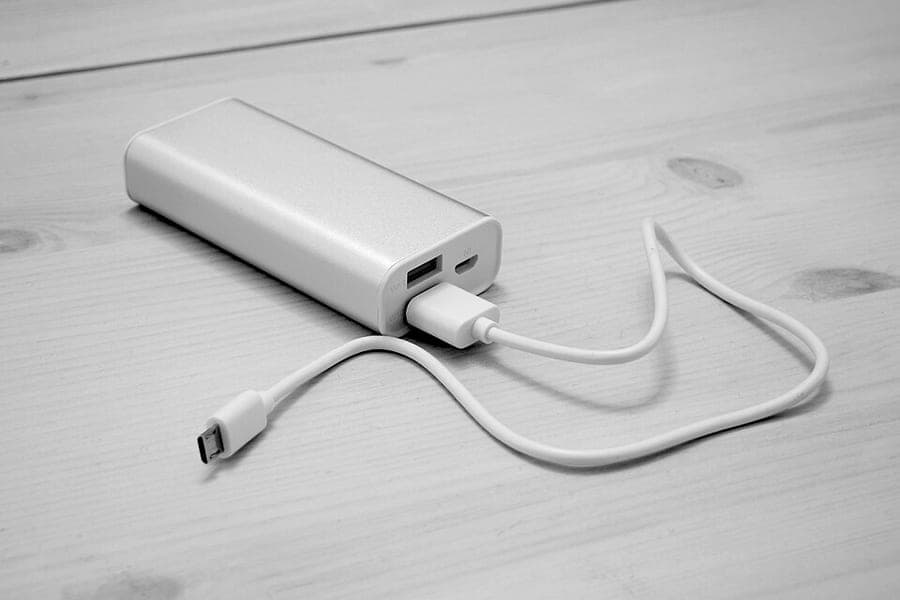
Power banks ranked on published watt-hours against the airline limit, plus weight and warranty term.
Top pick: Anker PowerCore 10000 PD Redux
Best travel steamer
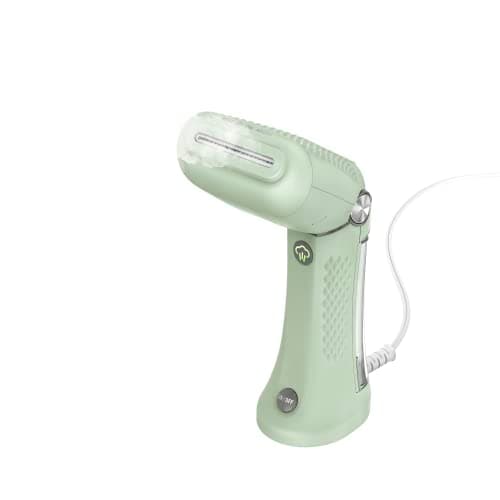
Travel garment steamers compared on published voltage, wattage and weight - and the premium model that stays home when you cross an ocean.
Top pick: Conair Power Steam Worldwide Travel Garment Steamer (GSC24)
Best charging reference
The difference between an adapter and a converter, how to read the voltage label, and the wattage arithmetic for multi-port chargers.
Top pick: Ceptics World Travel Adapter Kit (11-piece)
Best flight headphones
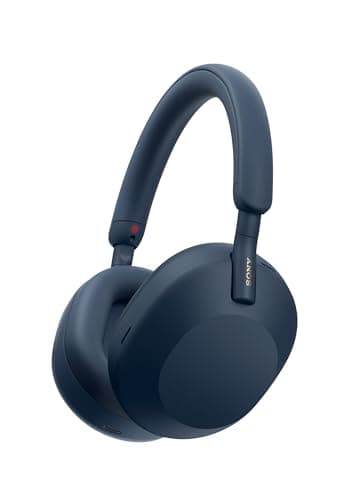
Two over-ear sets compared on published battery life, weight and what they omit — matched to real flight lengths.
Top pick: Sony WH-1000XM5 Noise-Cancelling Headphones
Best smart-luggage reference
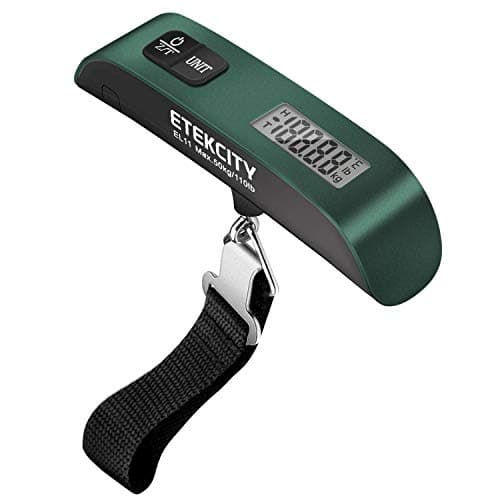
What the battery rules mean for smart luggage, what a built-in battery is worth, and the separate products that do the same jobs better.
Top pick: Etekcity EL11 Digital Luggage Scale
Best tech checklist
The complete travel electronics list, costed in published weight, with the cabin-only rule that dictates where all of it goes.
Top pick: Ceptics World Travel Adapter Kit (11-piece)
Reference
The watt-hour thresholds, the cabin-only list, and the conversion nobody does for you.
Top pick: Anker PowerCore 10000 PD Redux
Best tech-cutting guide
The devices that reliably come home unused, what each one actually costs to carry, and the three worth their weight.
Top pick: Ceptics World Travel Adapter Kit (11-piece)
Over-ear vs earbuds
Sony's over-ear and in-ear flagships compared on published carried weight, battery with noise cancelling on, and what each gives up in a cabin.
Top pick: Sony WF-1000XM5 Noise-Cancelling Earbuds
AirFly Pro 2 vs SE
Twelve South's two airplane Bluetooth adapters compared on published battery life, pairing and what is in the box.
Top pick: Twelve South AirFly Pro 2 Deluxe
Travel earbuds, head to head
Two noise-cancelling earbuds compared on published battery, weight and water resistance, for flights rather than for a listening room.
Top pick: Sony WF-1000XM5 Noise-Cancelling Earbuds
Anker 737 vs PowerCore 10000
The 24K laptop bank against the 10,000 mAh pocket bank, on published watt-hours, weight and what each maker actually promises.
Top pick: Anker 737 Power Bank (PowerCore 24K)
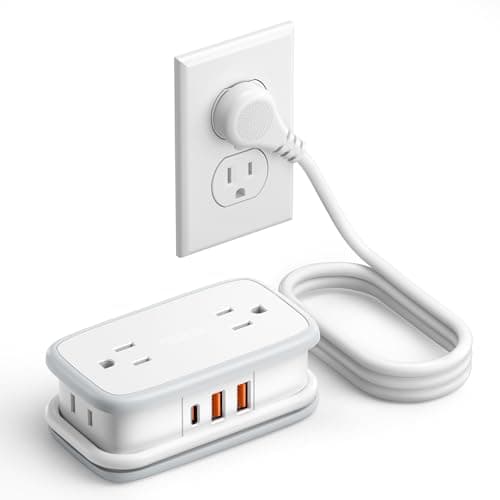
Best travel power strip
Travel power strips ranked on the two published facts that matter: whether they carry surge protection, and what voltage they are actually rated for.
Top pick: NTONPOWER 20W Travel Power Strip (4 outlets, 3 USB)
Flagship vs budget over-ear
The flagship over-ear against the budget one, compared on published weight, battery with noise cancelling on, and the one axis that actually decides it in a cabin.
Top pick: Sony WH-1000XM5 Noise-Cancelling Headphones
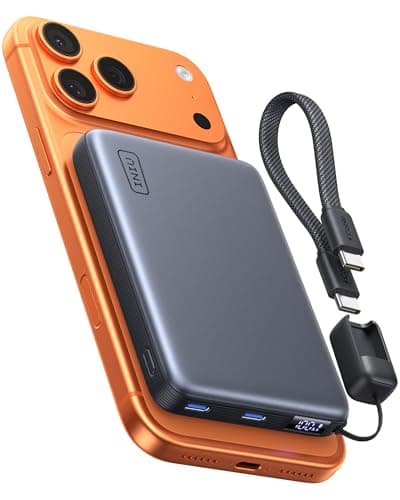
Cold weather and batteries
Why lithium power banks underperform in cold weather, what the published operating ranges actually say, and the three habits that fix it.
Top pick: INIU B41 Slim 10000mAh Power Bank
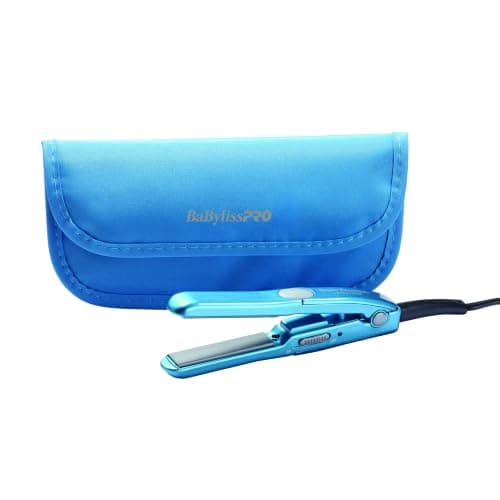
Best travel flat iron
Dual-voltage travel flat irons compared on published plate width, heat setting and size - and the voltage rule that destroys the ones without it.
Top pick: BaBylissPRO The Mini Traveler Flat Iron (1/2 in)
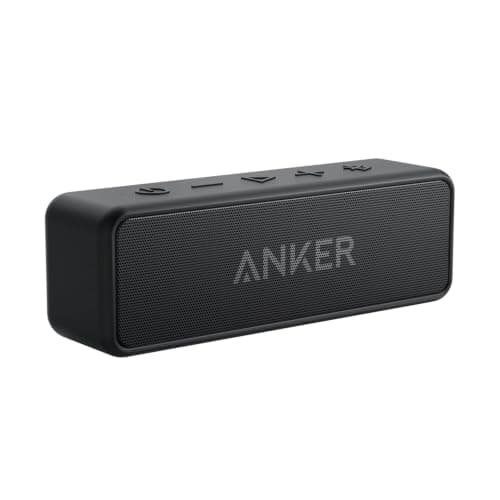
Best travel speaker
Portable Bluetooth speakers for travel compared on published playtime, size, weight and - where it exists - published battery capacity.
Top pick: Anker Soundcore 2 Portable Bluetooth Speaker
Prices last verified October 19, 2026. Prices move — the figure you see on Amazon at the moment you click is the real one.
Travel electronics are the one category on this site where a published number is not just useful but legally binding. Every airline in the world caps the lithium batteries you may carry, and the cap is expressed in watt-hours — a figure most product listings bury and most buyers have never looked for.
The threshold is 100 Wh. Under it, a battery travels in your carry-on with no paperwork. Between 100 and 160 Wh you need the airline’s approval. Above 160 Wh it does not fly at all. A typical 10,000 mAh power bank is around 37 Wh, so it is nowhere near the limit — but a large laptop battery bank can be, and the number is printed on the case precisely because someone will eventually ask to see it.
Almost everything you own is allowed in a checked bag and restricted in the cabin. Batteries are the opposite: spare lithium cells and power banks must travel in the cabin, where a fire can be seen and reached, and are prohibited in the hold.
That matters more than it used to, because gate-checking a carry-on is now routine on full flights. If your bag can be taken from you at the door, the power bank cannot be inside it. Keep the whole electrical kit in the bag that never leaves your hand, which is the single most useful habit in this section.
Travel chargers are judged on two published figures — the input range and what each port gets under load. Airplane Bluetooth adapters connect wireless headphones to a seatback jack, and noise-cancelling earbuds are what they usually connect. Anything with a heating element needs a dual-voltage label to survive abroad: see travel hair dryers and travel steamers, where the premium option is single-voltage.
If you are buying one thing, buy the power bank — it is the item whose absence you notice at hour six of a delay. The ranking is here. If you fly long-haul more than twice a year, the headphone comparison is the page that matters, and it is built around battery life rather than sound quality, because sound quality is not something we can assess and battery life is published.
And if your cables live loose in the bottom of a bag, a pouch is the cheapest fix in travel — the published weight range across the two we track is 0.24 lb to 1.2 lb, which is a fivefold difference for the same job.
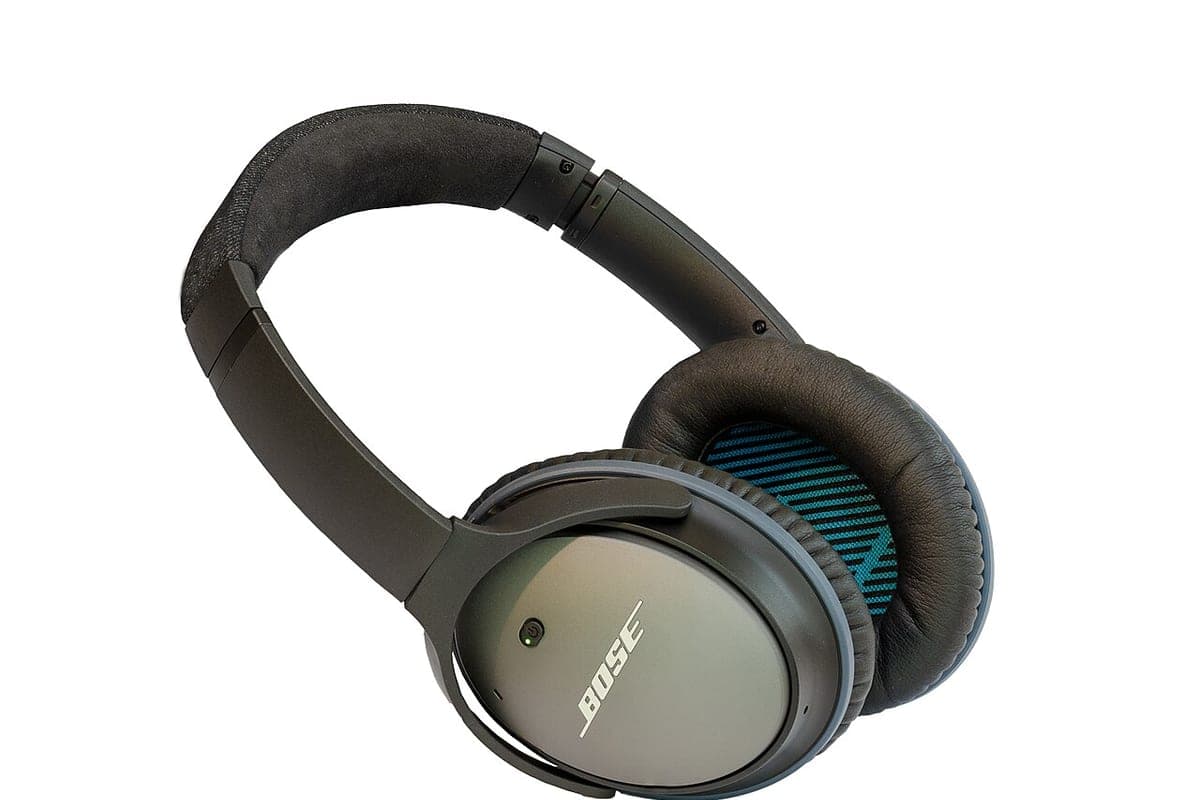
Sony’s WH-1000XM5 against the WF-1000XM5 is the one audio decision worth making on published figures rather than on sound. Both clear a long-haul flight on battery, so 251 g against roughly 50.8 g carried is what is actually being chosen.
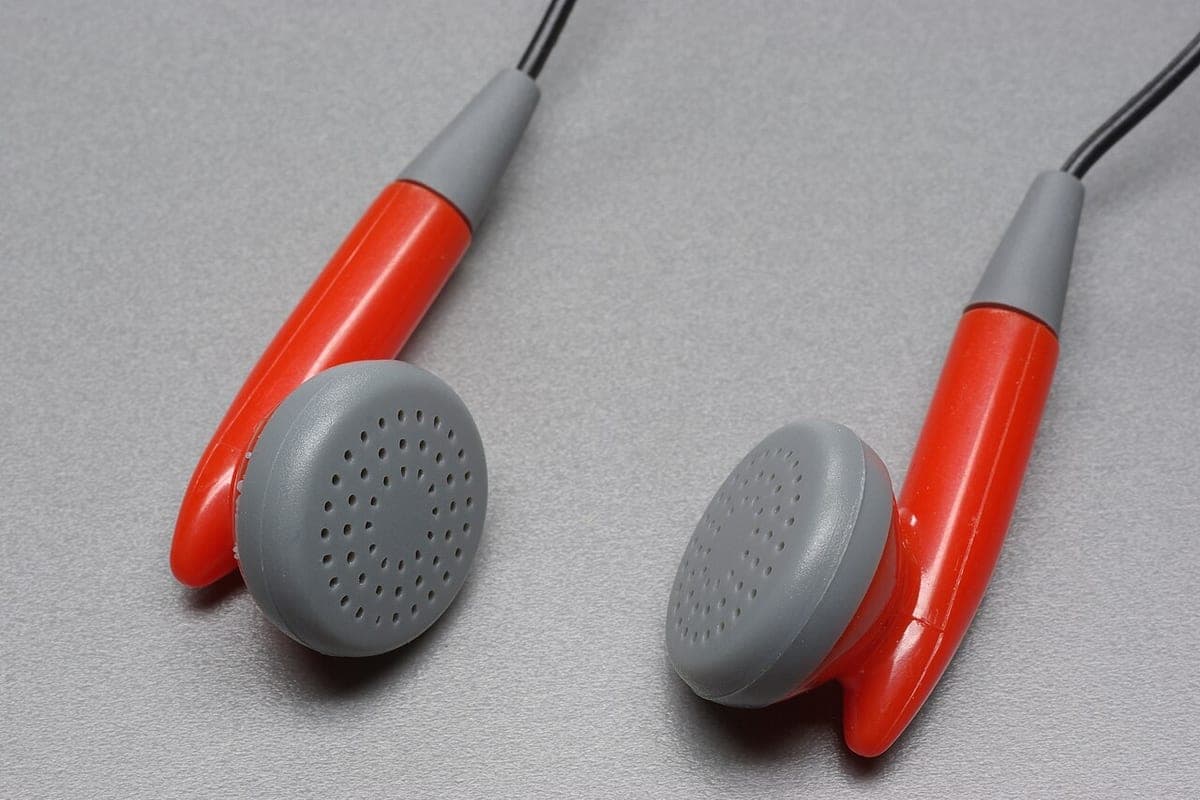
Two head-to-heads: the AirFly Pro 2 against the SE and the Sony WF-1000XM5 against the Soundcore Liberty 4 NC, on published battery and weight rather than on how they sound.
The Anker 737 against the PowerCore 10000 is the choice between roughly 87 Wh and a published 36.3 Wh — one charges a laptop and sits just under the 100 Wh cabin ceiling, the other weighs a third as much. Each maker publishes exactly what the other does not: a price, or a warranty term.
Travel power strips turn on one published specification, and it is not the outlet count: surge protection decides whether the strip is allowed aboard a ship, and Carnival and Royal Caribbean publish opposite rules about it. And the Sony WH-1000XM5 against the Soundcore Space Q45 is the flagship against the budget over-ear, where a published 50 h battery beats 30 h and changes nothing, because no flight on earth needs either.
Cold weather and your power bank explains why a bank that lasted all summer gives up in a lift queue, and deliberately refuses to repeat the capacity-loss percentages that circulate online — no maker in this ledger publishes one for their own cell. The part that does real damage is charging a cell below freezing, and the fix costs nothing: an inside pocket.
Travel hair straighteners are the dryer page’s argument applied to a flat iron: a plug adapter changes the pin shape and nothing else, so a single-voltage iron on a 230 V socket meets roughly double its design voltage. The honest finding is how thin this shelf is — almost everything marketed as a travel flat iron is an unbranded seller with no published specification to check.
Travel Bluetooth speakers turn on a number two of the three do not publish. Anker prints 5,200 mAh, which is about 18.7 Wh on the published conversion; JBL and Bose publish no capacity at all, so their watt-hour figure cannot be derived from anything they say. The Bose is 2.2× the volume of the Anker and publishes half its playtime.