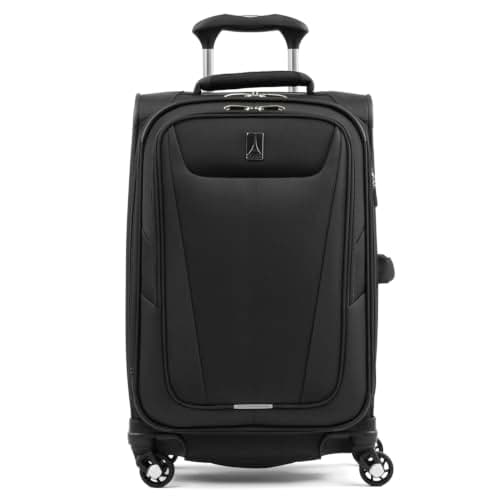
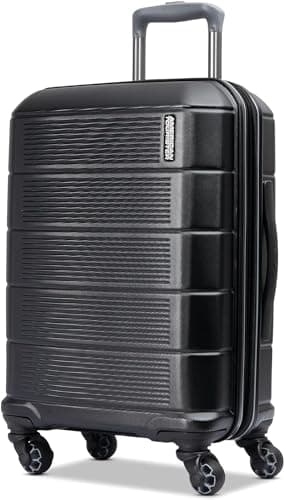
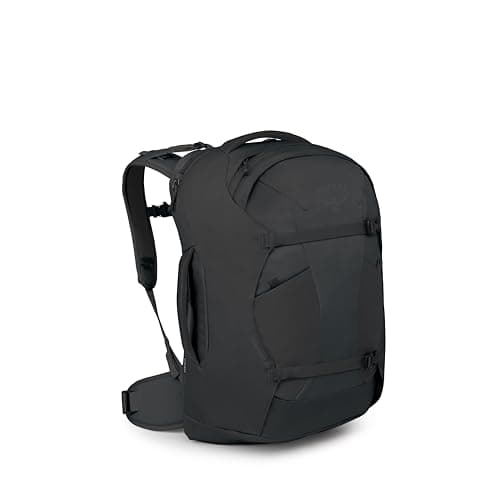
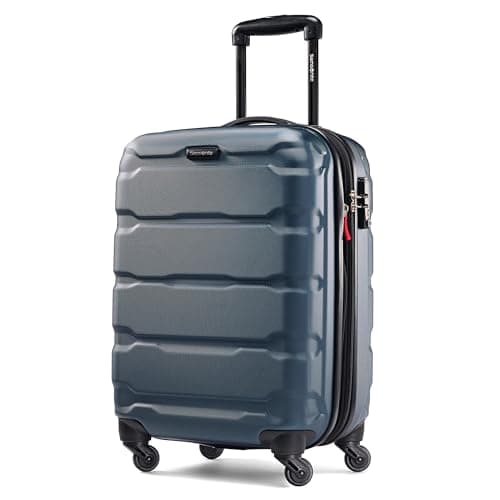
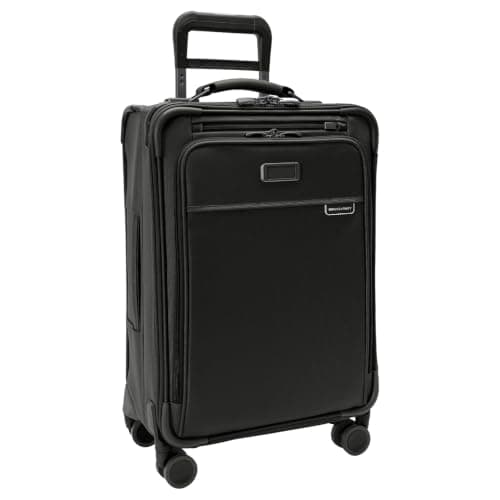
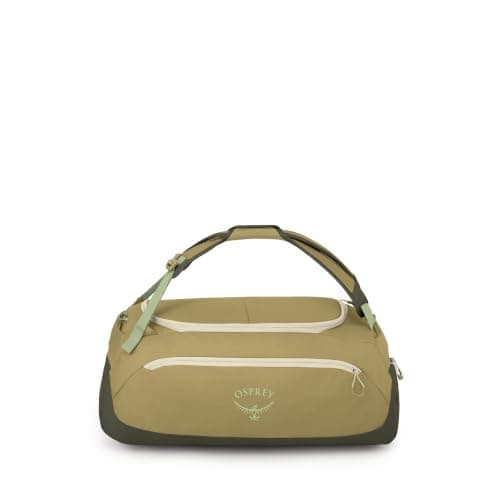
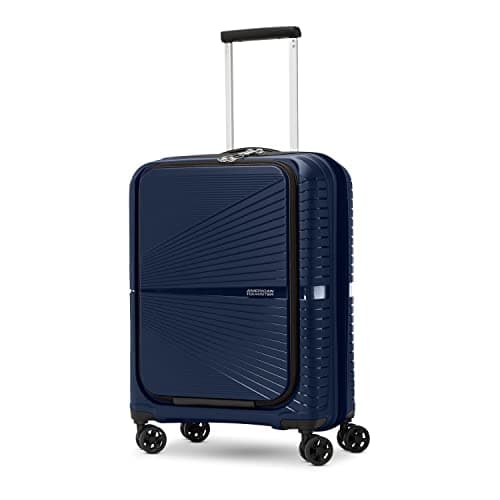
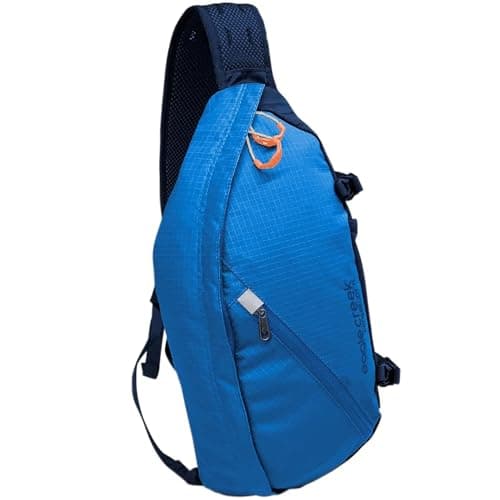
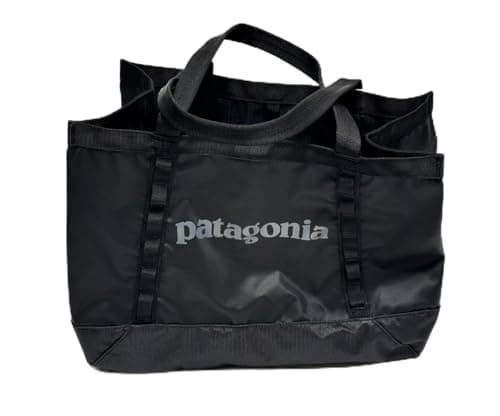
A carry-on is the one bag you buy that has a legal maximum size, and almost nobody who sells you one will tell you plainly whether it meets that maximum. Manufacturers publish two numbers — a “case” size and an “overall” size — and only the overall figure, wheels and handles included, is what a gate agent measures. Several bags marketed as “21-inch carry-ons” publish an overall height of 23 in, which is an inch over the limit at six of the eleven US carriers we checked.
So the first thing every page in this section does is compare each bag’s published external dimensions against each carrier’s published limit, on all three dimensions, the way a sizer works. That verdict sits in the Fits column of every table, and it links back to the carrier limits it was computed from.
What actually decides the price
Between the cheapest and the most expensive bag in this section there is a 4.3× price difference and almost no difference in capacity. What you are paying for, in rough order of how much of the price it explains:
- Warranty length and what it covers. A ten-year global warranty and a warranty with no stated end date are different products. So is a warranty that covers airline handling damage — one bag in this ledger publishes that cover, and it is the most expensive one.
- Shell material. ABS is the cheapest hardshell and the least impact-tolerant. Polypropylene flexes and returns. Polycarbonate is the usual premium answer. We ran the differences down in detail.
- Wheels. Double spinner wheels cost more than singles and are the component most likely to end a bag’s life.
- Weight. Getting a hardshell under 5 lb costs money. It also buys you something real on the carriers that publish a weight cap.
Three narrower questions
Three pages here answer tighter versions of the same buying problem. Hardside under $100 runs the price-capped bracket and finds that not one budget hard case clears the strict box. Samsonite against Delsey settles two legacy brands on published weight and price. Personal item bags covers the shelf named after 18 x 14 x 8 in — a box only three US carriers publish.
Three value questions
Is expensive luggage worth it runs cost per covered warranty year from $90 to $390. Travelpro against Briggs & Riley takes that arithmetic to the top of the market, where two lifetime guarantees are four and a half times apart on price. Carry-ons under $200 ranks every bag in the bracket with a published price, and Maxlite 5 against Platinum Elite finds the one clause that separates Travelpro’s two carry-ons.
How to use this section
If you fly two to six times a year and you are buying on durability per dollar rather than on a logo, the route through is short. Start with the main ranking, which scores every bag on all four published axes. If you have a hard ceiling, go to the under-$100 page, which is honest about how few bags genuinely list there. If your last bag died, the durability ranking is built around what the warranty actually promises rather than around adjectives.
And before any of that, it is worth knowing that the single most common reason a carry-on fails at the gate is not that it was cheap. It is that it was bought without checking the overall published size against the airline the buyer actually flies.
Five narrower buying questions
Which bags actually fit 22 × 14 × 9 runs every published dimension in this ledger against the strict box and finds six that clear it, none of them wheeled. Lifetime-warranty luggage prices 27 open-ended warranties down to a figure per covered year, and Omni PC against Winfield 3 DLX settles Samsonite’s two polycarbonate carry-ons on a quarter-inch of height.
Two more are written for a specific airline rather than a specific bag: buying for Southwest’s roomier box and the easyJet, BA and Ryanair boxes, where nothing we compile fits Ryanair at all.
Newly added
Five pages added since the last refresh. Carrier-specific fit lists for Frontier, Allegiant and Hawaiian, whose published boxes and weight caps differ most from the standard one, plus two brand comparisons: Travelpro against Delsey and American Tourister against Travelpro.
Six more carry-on questions
Two price questions first: what good luggage actually costs runs the whole range on cost per covered year, and whether Briggs & Riley is worth it takes the $729 end of that range seriously — it buys the best warranty published anywhere here and the smallest capacity we track.
At the other end, the Travelpro Maxlite 5 is the lightest softside case published and turns entirely on which of its two published heights you read, while luggage for college students is ranked on the bags that fold flat for a dorm.
And two fit questions: carry-on luggage for Sun Country is the one carrier whose published box is generous enough to change the answer, and Freeform against Omni PC settles two Samsonites that look identical and are not.
Two carry styles, not two sizes
The two newest pages in this section are about the bag you carry alongside the case rather than the case itself. Travel slings are ranked on published weight per liter, where the lightest bag in this whole ledger turns out to be the cheapest one, at 0.063 lb per liter. Travel totes turn on two published facts almost no listing gives you: whether there is a trolley sleeve, and whether the bag clears United’s 17 × 10 × 9 inpersonal-item box. One of the four totes we track clears nothing at all.