Alaska reference
Alaska Airlines Baggage Rules
Alaska's published carry-on limit, what a functional personal-item rule means, and how to size a bag against a box nobody publishes.
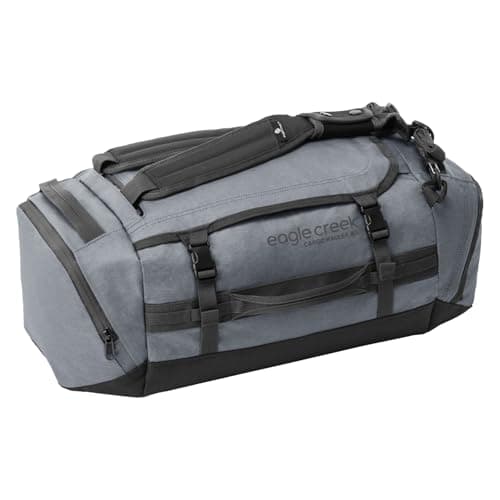
Top pick: Eagle Creek Cargo Hauler Duffel 40L
Every major US carrier's published carry-on and personal-item limits, cited per row and dated — plus the bags that actually fit them.
Nothing here has been tested by us. How we rank · Who writes this · How we earn

Alaska reference
Alaska's published carry-on limit, what a functional personal-item rule means, and how to size a bag against a box nobody publishes.
Top pick: Eagle Creek Cargo Hauler Duffel 40L
Allegiant reference
Allegiant's published limits, the unusually explicit measurement rule, and why only the personal item is free.
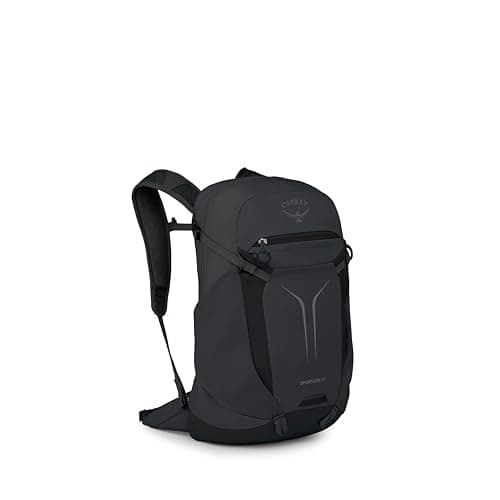
Top pick: Osprey Daylite Plus 20L Backpack
American Airlines reference
American's published carry-on and personal-item limits, the outside-measurement rule, and which bags in our ledger fit them.
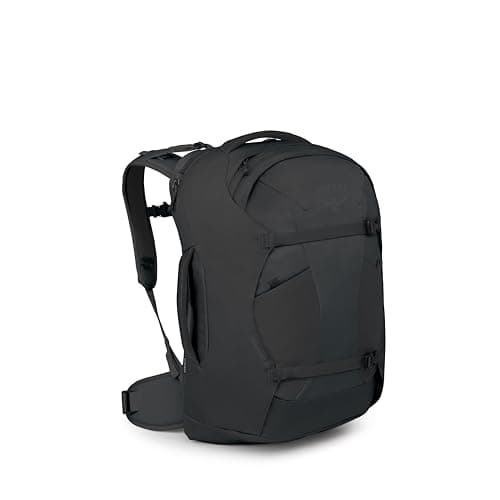
Top pick: Osprey Farpoint 40 Travel Pack
Best budget-fare reference
Which carriers charge for the overhead bag on the cheapest fare, which include it for every fare, and how to size a personal item that has to do the whole job.
Breeze reference
Breeze's published limits, the 35 lb cap, and how bundling the cabin bag into fare tiers changes the arithmetic.
Top pick: Osprey Daylite Plus 20L Backpack
British Airways reference
BA's published cabin allowances in centimeters and inches, the 23 kg cap, and how the box compares with the US standard.
Top pick: Osprey Farpoint 40 Travel Pack
Best connections reference
How baggage rules work across a connecting itinerary, why the strictest limit governs, and what changes on a separate ticket.
Top pick: Eagle Creek Cargo Hauler Duffel 40L
Best food reference
What food and drink clears a checkpoint, the solid-versus-spreadable test, and the customs rules that bite at the other end.
Top pick: Peak Design Packing Cube (Small)
Reference
Published carry-on limits for 14 airlines, sourced per row and dated, with the bags whose published dimensions actually clear them.
Reference
Which airlines publish a carry-on weight cap, what the numbers are, and how much of the allowance the empty bag already costs you.
Delta reference
Delta's published carry-on limits including the 45-linear-inch cap, why it publishes no personal-item box, and which bags fit.
Top pick: Osprey Farpoint 40 Travel Pack
easyJet reference
easyJet's published free and paid cabin allowances, how the free bag compares with US personal-item boxes, and the 15 kg cap.
Top pick: Osprey Daylite Plus 20L Backpack
Best medication reference
What the TSA publishes about medication and medical devices, the declaration requirement, and where medication must be packed.
Top pick: Osprey Daylite Plus 20L Backpack
Frontier reference
Frontier's published limits, the 35 lb cap, the paid overhead bag, and why the free personal item is the allowance that matters.
Top pick: Osprey Daylite Plus 20L Backpack
Best gate-check guide
What must come out of a bag before it goes down the jet bridge, what should never be checked, and how to avoid gate-checking at all.
Hawaiian reference
Hawaiian's published limits, the 25 lb cabin cap, and what each case in our ledger costs you before you pack.
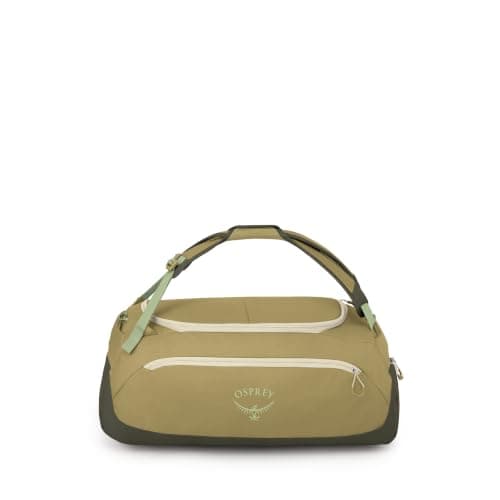
Top pick: Osprey Daylite Duffel 45
Guide
The inches-to-liters conversion worked in full, why published capacities fall short of the box, and what that means when you shop.
Guide
How to measure a bag the way a gate sizer does, including linear inches, and why the manufacturer's number is usually the wrong one.
Best international reference
Published international cabin-bag limits in both units, the weight caps US flyers never meet, and which bags clear them.
JetBlue reference
JetBlue's published carry-on and personal-item limits, the explicit no-weight-restriction statement, and which bags fit.
Top pick: Osprey Farpoint 40 Travel Pack
Best measurement explainer
What linear inches means, the 62-inch checked cap and Delta's 45-inch cabin cap, and which bags in our ledger fail on the sum rather than a side.
Top pick: Osprey Farpoint 40 Travel Pack
Reference
Published personal-item limits per airline, plus a straight answer on whether a backpack counts and which packs actually fit.
Ryanair reference
Ryanair's published Basic and Priority allowances, the 20 cm depth limit, the 10 kg cap, and why a US carry-on does not fit.
Top pick: Eagle Creek Cargo Hauler Duffel 40L
Southwest reference
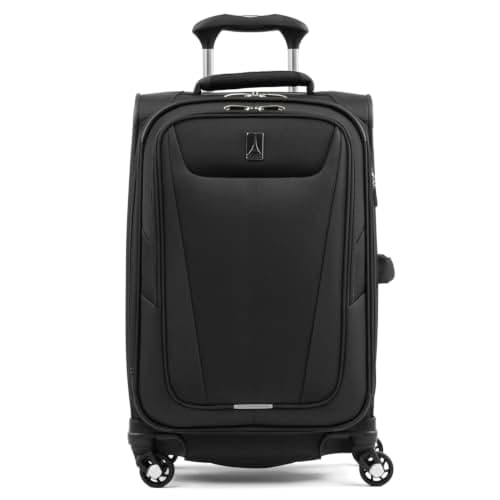
Southwest's published carry-on and personal-item limits, and why the most generous box in the market is a buying trap.
Top pick: Travelpro Maxlite 5 Carry-On Spinner (21 in)
Sun Country reference
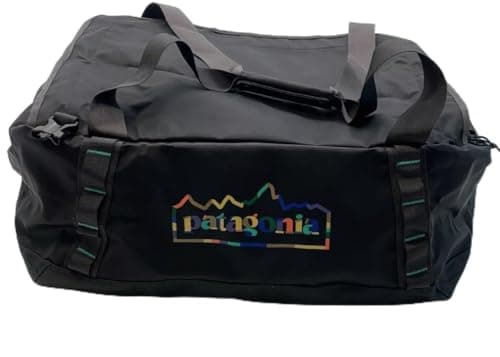
Sun Country's published limits, the unusual 11-inch depth allowance, the 35 lb cap and the paid overhead bag.
Top pick: Patagonia Black Hole Duffel 40L
United reference
United's published limits, why the 17 x 10 x 9 in personal item is the number that matters, and which bags actually fit it.
Top pick: Osprey Daylite Plus 20L Backpack
Best personal-item explainer
What qualifies as a personal item, which carriers publish dimensions and which publish none, and how to size for a rule stated functionally.
Top pick: Osprey Daylite Plus 20L Backpack
Best weight-limit guide
Why weight is the cap that is actually enforced, which carriers publish one, and the two ways to never pay an overweight fee.
Top pick: Osprey Daylite Duffel 45
Reference
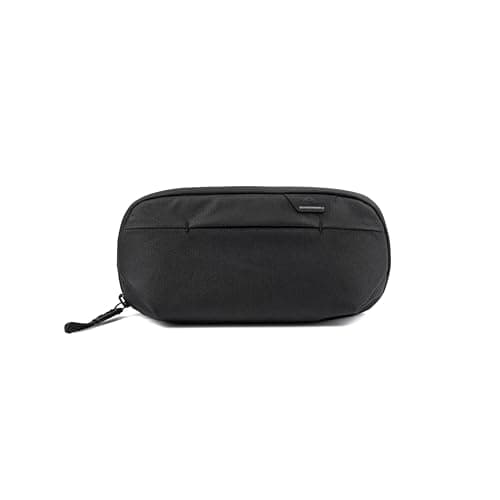
What TSA prohibits in the cabin, what surprises people at the checkpoint, and the items that must never be checked.
Top pick: Peak Design Small Wash Pouch (1L)
Guide
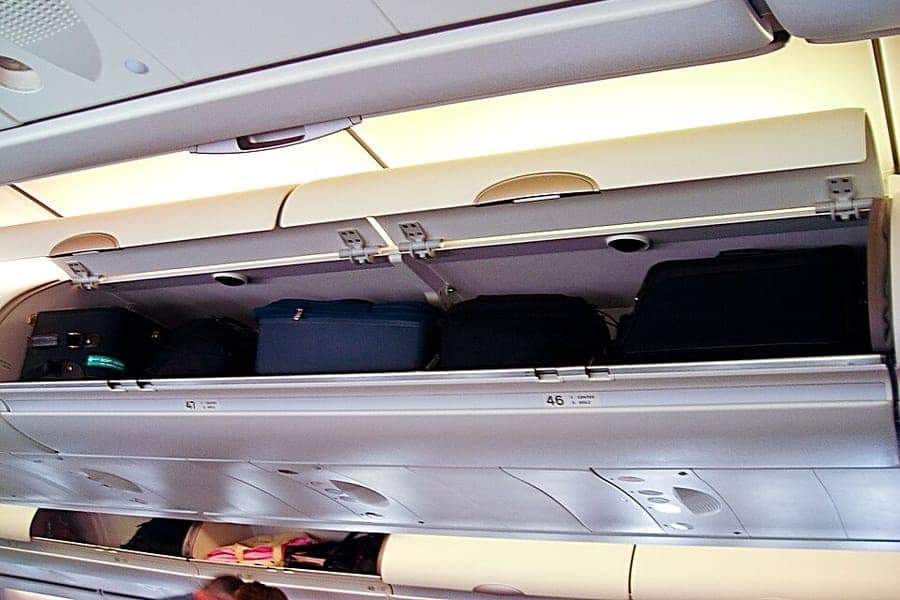
Why size enforcement tightened, which carriers charge for the overhead bag, and what the change means for what you should own.
Carry-on fees, compared
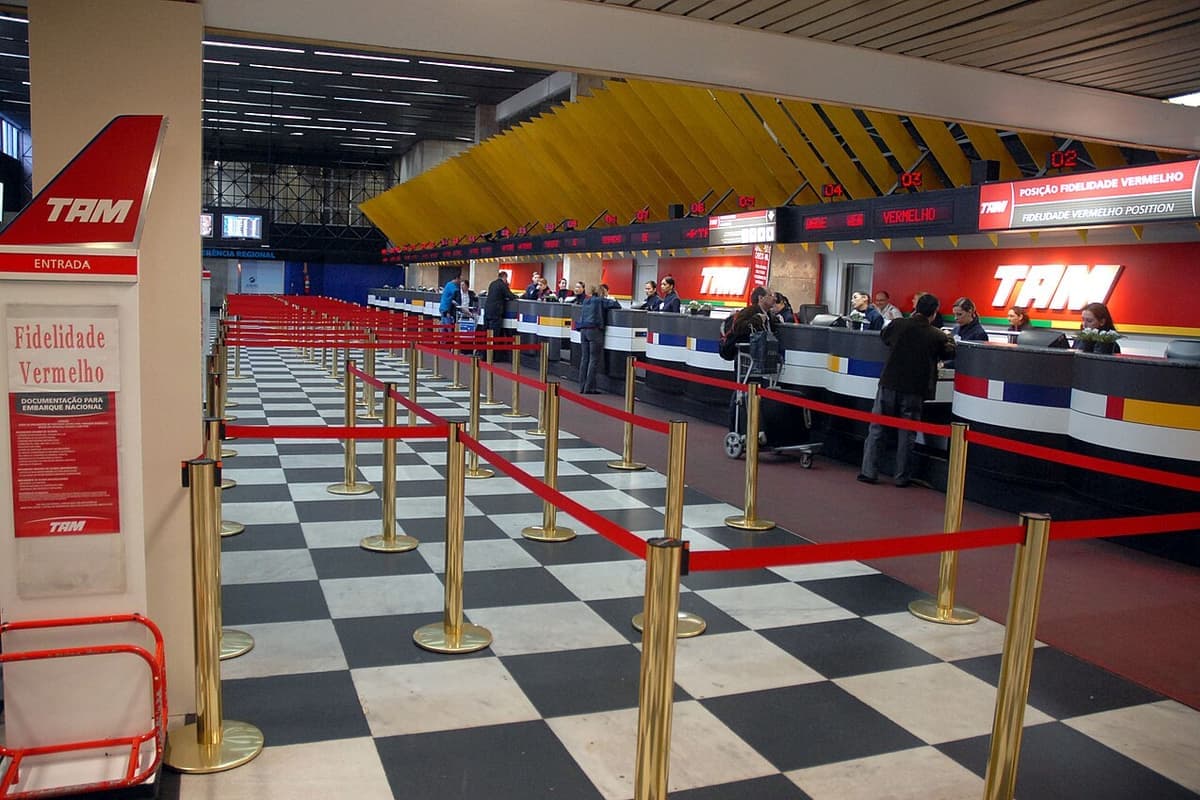
Carrier by carrier: who publishes the overhead bag as a paid extra, what the free personal item box is, and which bags fit it.
Top pick: Narwey Foldable Personal Item Bag (18 × 14 × 8 in)
Checked bag fees, compared
Published checked bag fees at the US carriers we could read, the prepay discounts, and the arithmetic for when a carry-on pays for itself.
Top pick: Osprey Daylite Duffel 45
Flying with ski gear
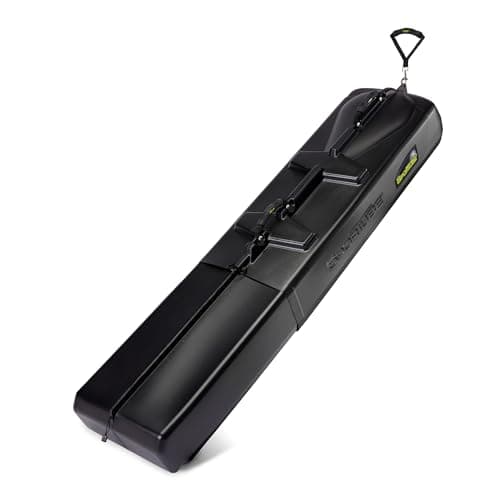
What carriers publish about checked ski and snowboard equipment, the combined weight rule, and the linear-inch ceiling that refuses a bag outright.
Top pick: Sportube Series 3 Ski and Snowboard Case
Flying with wine
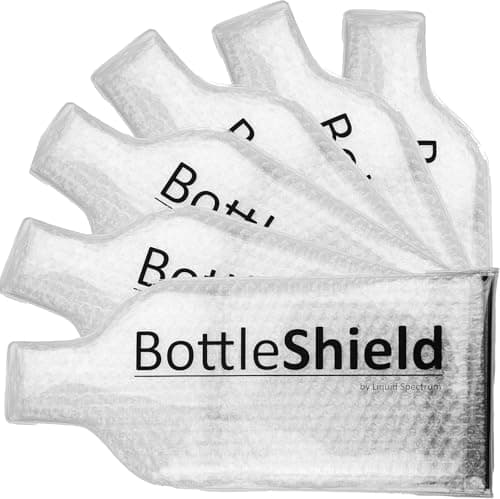
What TSA publishes about carrying wine and spirits, why wine has no checked quantity limit, and the protection that decides whether the bottles arrive.
Top pick: Liquid Spectrum Bottle Shield Wine Protector (6 pack)
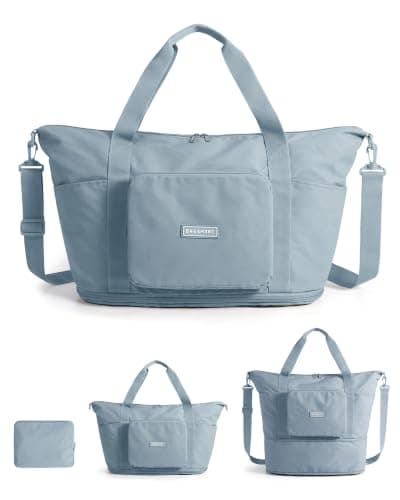
Flying with gifts
What TSA publishes about traveling with gifts, the snow globe rule, and the packing problem on the way home.
Top pick: BAGSMART Foldable Expandable Travel Bag (24-37 L)
Prices last verified October 19, 2026. Prices move — the figure you see on Amazon at the moment you click is the real one.
This is the highest-stakes section on the site, because a wrong number here costs you money at a gate. Every limit in it was read from the carrier’s own published baggage policy on 3 September 2026, every row cites the page it came from, and every row carries the date it was checked. Where a carrier publishes no figure — and several publish no personal-item dimensions at all — the cell reads Not published rather than a guess.
There is no single American carry-on standard. Six of the eleven US carriers we track publish 22 × 14 × 9 in. Southwest publishes 24 × 16 × 10 in. United’s personal-item box is 17 × 10 × 9 in while American’s is 18 × 14 × 8 in — nearly twice the volume. A bag bought to fill one allowance will not fit the other.
Two things happened at once. Carriers unbundled the carry-on from the cheapest fare, which turned bag size into a revenue line rather than an operational detail. And the US carrier field consolidated — Spirit ceased operations entirely in May 2026 — which removed one of the more permissive published boxes from the market. The longer explanation is here, including what it means for what you should buy.
One consequence worth stating: most carry-on size tables you will find online still list Spirit. Ours does not, and says why. Keeping this data genuinely current is the only real asset a new site in this category can build.
Every figure in this section was read from the carrier’s own published baggage policy, not from another comparison site. Each row links to the page it came from and carries the date of the check, and the rows are re-verified on a monthly cycle. The date you see is the real date of that verification rather than the date the site last deployed — this site redeploys daily for the price refresh, and a build-stamped freshness claim would be a lie told automatically.
Where a carrier publishes nothing, the cell reads Not published. Three US carriers publish no personal-item dimensions at all, and most publish no carry-on weight limit. Those are real answers and we would rather print them than fill a column with a plausible guess. If you find a figure that has moved, tell us — corrections to this section go to the front of the queue.
22 × 14 × 9 in for the overhead bag, and 18 × 14 × 8 in for the under-seat bag. The first is published by seven of the carriers here and a bag inside it fits every one of them. The second is the largest personal-item box any major US carrier publishes, and on the four airlines that charge for the overhead bag it is the entire free allowance — around 30 L of usable space for nothing.
The one number that will catch you out is United’s personal-item box at 17 × 10 × 9 in, which is 24% less volume than American’s. If United is in your rotation, size for United and everything else fits automatically.
Two pages turn these limits into a shopping list. Buying for Southwest uses the roomiest published US box, and buying for easyJet, BA and Ryanair runs the same exercise against the tightest limit in this table.
Newly added: which airlines charge for a carry-on, covering the five carriers in this table that publish the overhead bag as a paid extra and the free personal-item box each of them publishes instead.
Its counterpart is what a checked bag costs, carrier by carrier. The fee is published per bag and per direction, so the $45 most large US carriers now charge is $90 on a return trip — which is the arithmetic that decides whether a carry-on is an expense or a saving.
Flying with skis and snowboards is built on Delta’s published combined-weight rule and names the carriers whose pages we could not read rather than guessing at them. Flying with wine corrects the rule almost everyone misremembers — TSA publishes no quantity limit at all on drinks at 24% ABV or less in checked baggage, and the 5 liter figure is a spirits rule. And flying with presents covers what TSA publishes about wrapping, and the snow globe it names specifically.