
Best long-haul kit
The Best Gear for Long Flights
A long-haul comfort kit costed in published weight, with what each item earns its place for.
Top pick: Anker PowerCore 10000 PD Redux
Toiletry bags, adapters and long-flight kit — scored on published specs, with the numbers that actually decide whether they work.
Nothing here has been tested by us. How we rank · Who writes this · How we earn
Best long-haul kit
A long-haul comfort kit costed in published weight, with what each item earns its place for.
Top pick: Anker PowerCore 10000 PD Redux
Best luggage scale
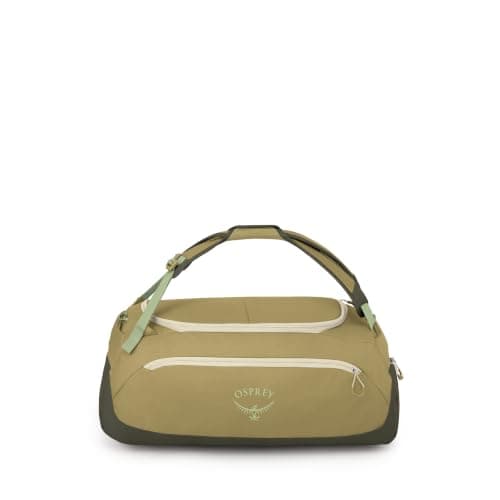
Luggage scales judged on published capacity, graduation and warranty - plus the free method that is almost as good.
Top pick: Osprey Daylite Duffel 45
Best flight sleep kit
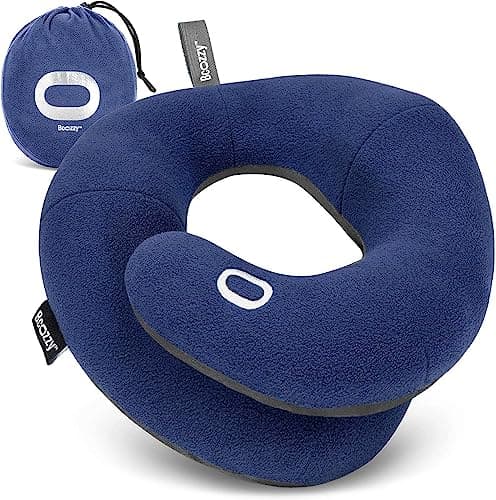
A flight sleep kit costed in published weight, and why a 24 dB earplug outperforms a headphone on the noise that actually wakes people.
Top pick: BCOZZY Travel Neck Pillow
Best Europe adapter pick
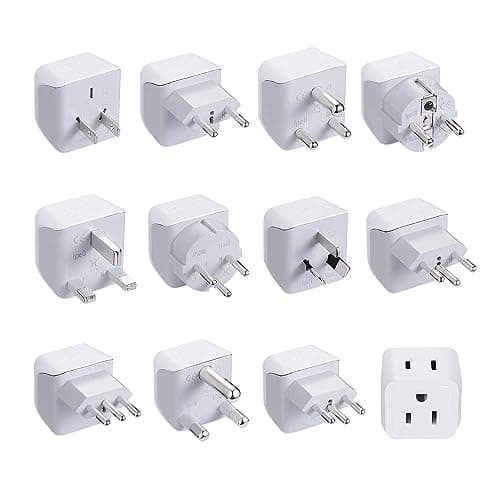
Which plug standards Europe actually uses, the two that catch travelers, and which adapter covers them at what published weight.
Top pick: Ceptics World Travel Adapter Kit (11-piece)
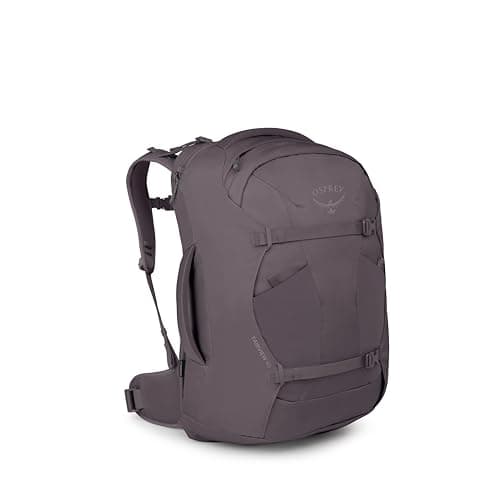
Best women's travel kit
A complete travel kit costed in published weight, and the honest answer to which categories are genuinely women's-specific and which are a colorway.
Top pick: Osprey Fairview 40 Travel Pack
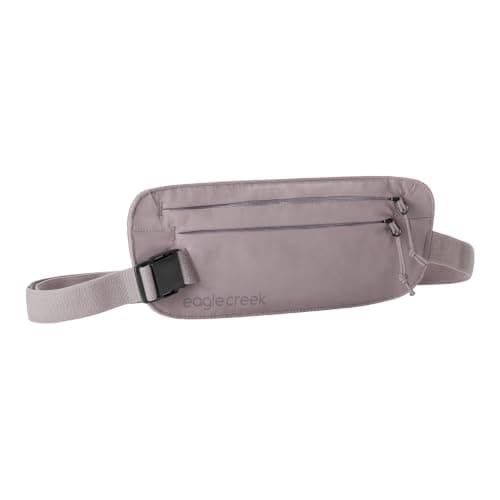
Best jewelry case pick
Why a jewelry case is a carry-on product, which published dimension decides it, and what to do with the pieces you cannot replace.
Top pick: Eagle Creek Undercover RFID Money Belt
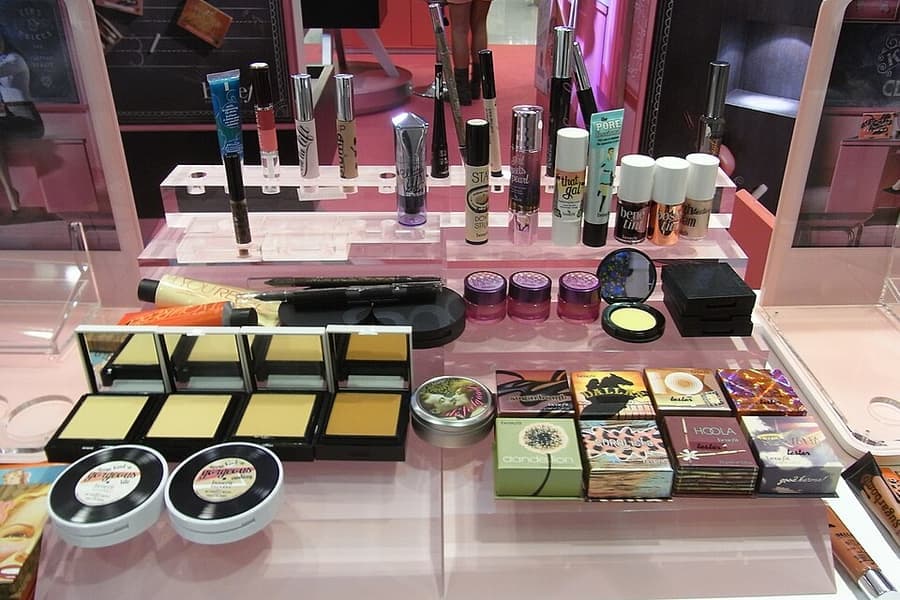
Best travel makeup bag
What actually distinguishes a makeup bag from a toiletry bag, and which published specs decide whether it survives a suitcase.
Top pick: Peak Design Wash Pouch (2.5L)
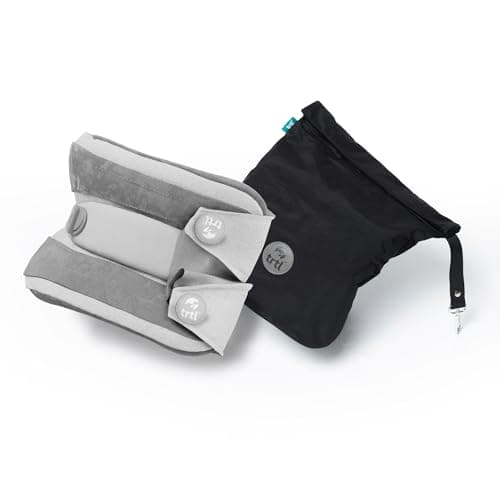
Best pick for side sleepers
Why horseshoe pillows fail side sleepers, which published dimension actually predicts it, and the one design here that braces sideways.
Top pick: Trtl Pillow Plus
Best travel pillow
Travel pillows ranked on published weight and the geometry that decides whether they work — plus which way your head actually falls.
Top pick: BCOZZY Travel Neck Pillow

Best toiletry bag
Toiletry bags ranked on published capacity and weight, with the liquids-rule arithmetic that decides how much you actually need.
Top pick: Peak Design Wash Pouch (2.5L)
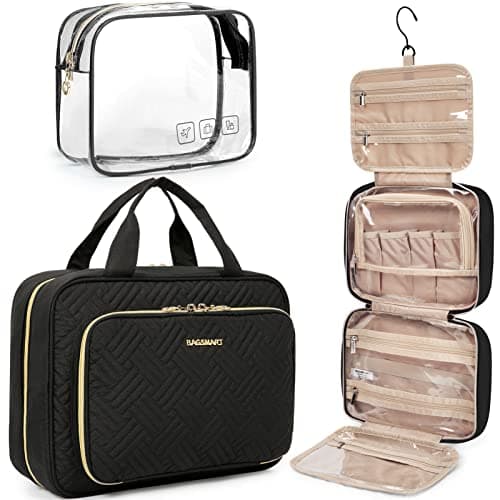
Best travel bottles pick
Travel bottles ranked on published capacity per dollar, with the 3-1-1 arithmetic that decides how many you actually need.
Top pick: BAGSMART Blast 4.5L Hanging Toiletry Bag
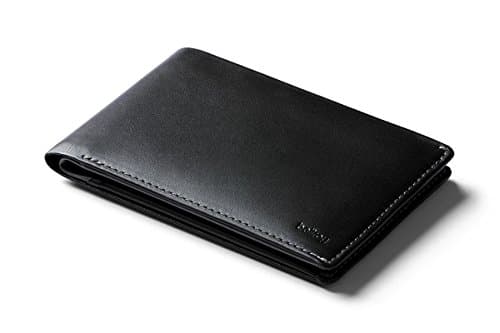
Best travel wallet
Passport covers and travel wallets compared on published size, weight and warranty, with a straight answer on RFID.
Top pick: Bellroy Travel Wallet (RFID)
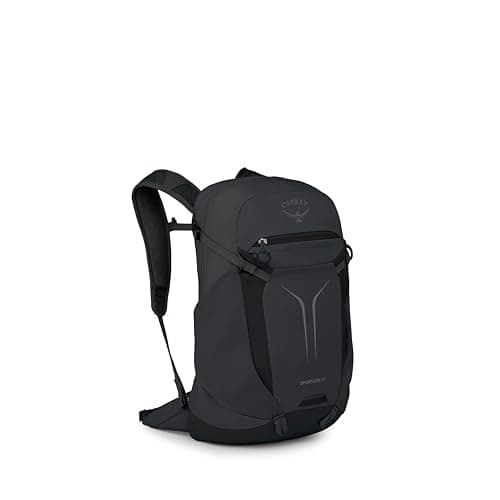
Best travel water bottle
Travel bottles judged on published weight, capacity and packed depth - and the TSA rule that makes the whole thing work.
Top pick: Osprey Daylite Plus 20L Backpack
Best travel adapter
Travel adapters ranked on published total wattage and weight, with the adapter-versus-converter distinction that matters most.
Top pick: Ceptics World Travel Adapter Kit (11-piece)
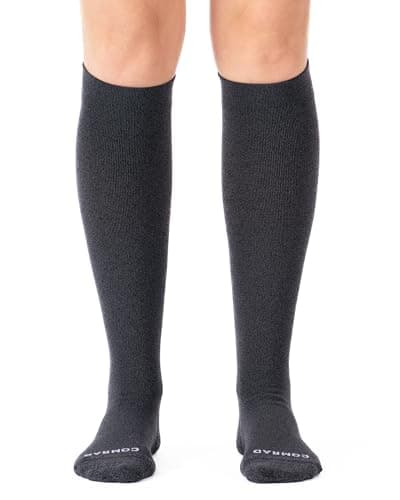
Best flight socks explainer
What mmHg means, how 15-20 and 20-30 differ, and what the CDC actually publishes about compression stockings and travel.
Top pick: Comrad Nylon Knee-High Compression Socks (15-20 mmHg)
Best personal-item list
What belongs in the one bag that cannot be gate-checked, in priority order, and the four things that should never be anywhere else.
Top pick: Osprey Daylite Plus 20L Backpack
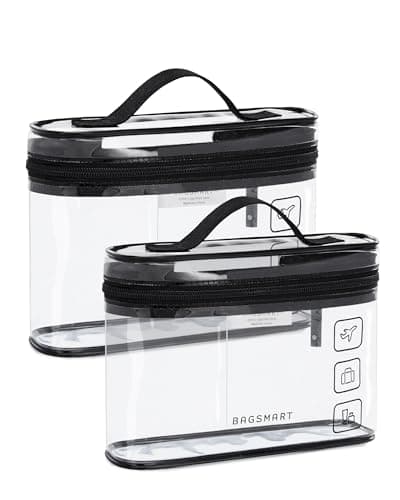
Best kit for the 3-1-1 rule
Toiletry bags measured against the published 3-1-1 rule rather than the marketing phrase, on capacity, weight and whether a quart bag is included.
Top pick: BAGSMART Space Saver Pro Toiletry Bag (Large)
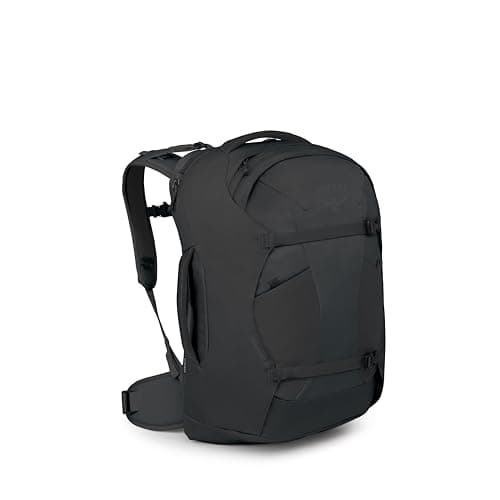
Best one-bag kit, weighed
A complete one-bag travel kit with every item's published weight, totaled and costed - and the honest note on what is genuinely men's-specific.
Top pick: Osprey Farpoint 40 Travel Pack
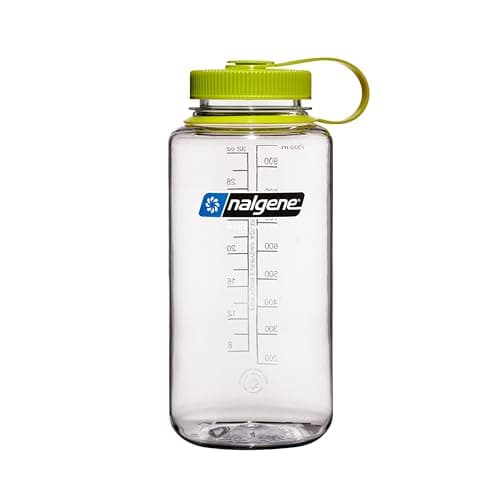
Best travel accessory under $25
Every travel accessory in our ledger with a published price under $25, ranked on what the maker will actually put in writing.
Top pick: Nalgene Wide Mouth Sustain Bottle (32 oz)
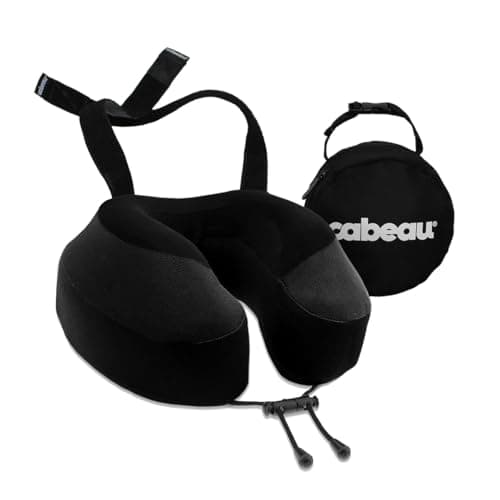
Trtl vs Cabeau
The two most-compared travel pillows on published weight, price, dimensions and warranty - and the question that decides between them.
Top pick: Cabeau Evolution S3 Travel Pillow
Best under $100
Everything we track under $100, ranked on cost per covered warranty year - including the cheapest figure in the entire ledger.
Top pick: Osprey Daylite Duffel 45
Best starter kit
The five-item starter kit for a first flight, in buying order, with what each one actually prevents.
Top pick: Osprey Fairview 40 Travel Pack
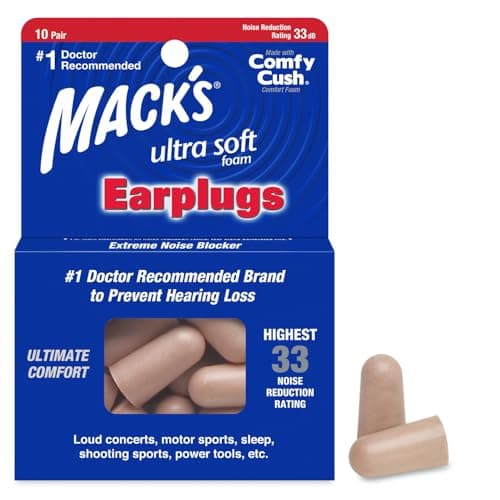
Best earplugs for flying
Flight earplugs ranked on published attenuation, with the one thing nobody tells you: NRR and SNR are different standards and cannot be compared directly.
Top pick: Mack's Ultra Soft Foam Earplugs (10 pair)
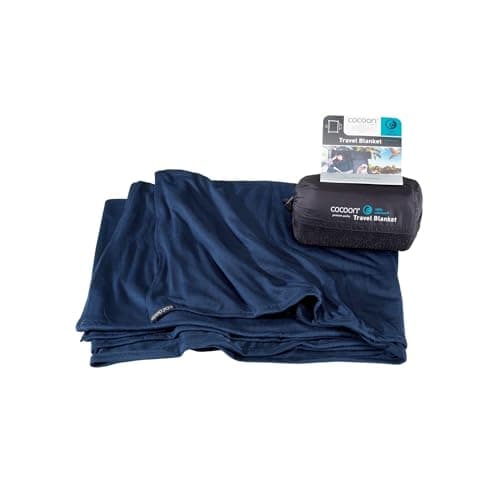
Best travel blanket
Travel blankets ranked on published size, weight and packed volume, with the fabric question that decides which one is right for your cabin.
Top pick: Cocoon CoolMax Travel Blanket
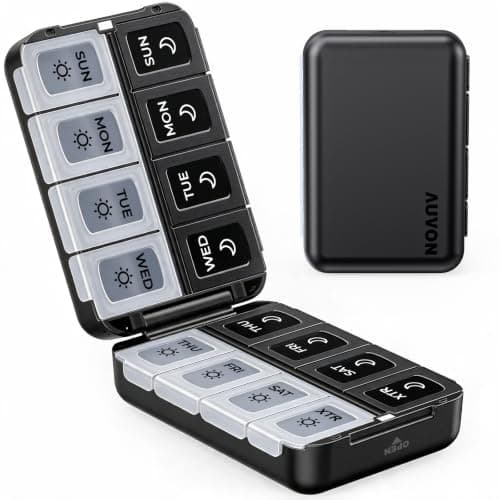
Best travel pill organizer
Travel pill organizers ranked on published dose count, per-compartment volume and whether the box is sealed - with what the TSA actually requires.
Top pick: AUVON Travel Weekly Pill Organizer (AM/PM, 16 compartments)
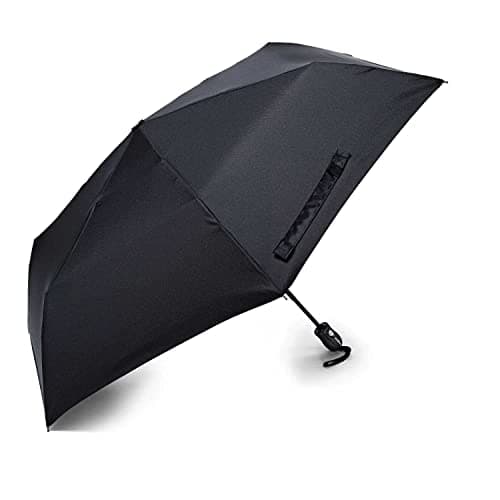
Best travel umbrella
Travel umbrellas ranked on published weight, canopy diameter, folded length and warranty - with the one wind claim nobody can verify.
Top pick: Samsonite Compact Auto Open/Close Umbrella
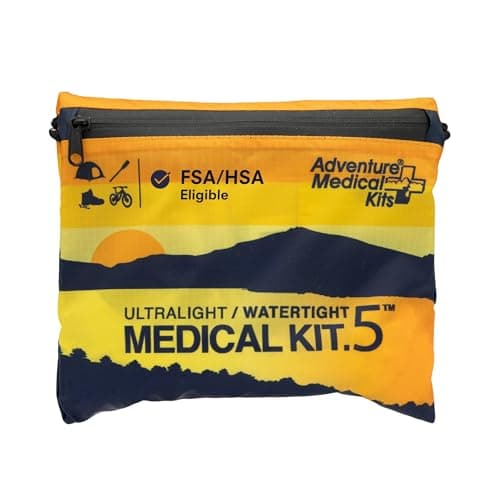
Best travel first aid kit
Travel first aid kits ranked on published weight and published contents, with the arithmetic that shows what a 130-piece count really buys.
Top pick: Adventure Medical Kits Ultralight/Watertight .5
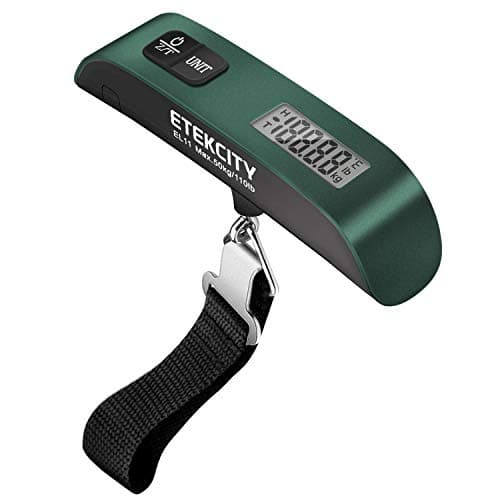
Best travel gift
Travel gifts ranked by the thing that decides whether a gift gets used - whether the recipient already owns one - across six price bands.
Top pick: Etekcity EL11 Digital Luggage Scale
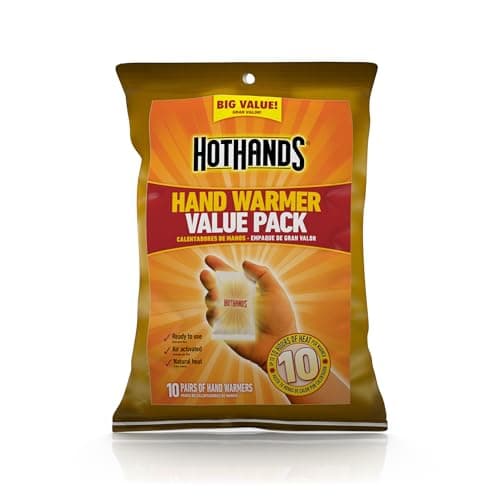
Best travel hand warmer
Hand warmers for cold-weather travel, ranked on published temperature and duration, with the lithium battery rule that decides which bag each one flies in.
Top pick: HotHands Hand Warmers (10 pairs)
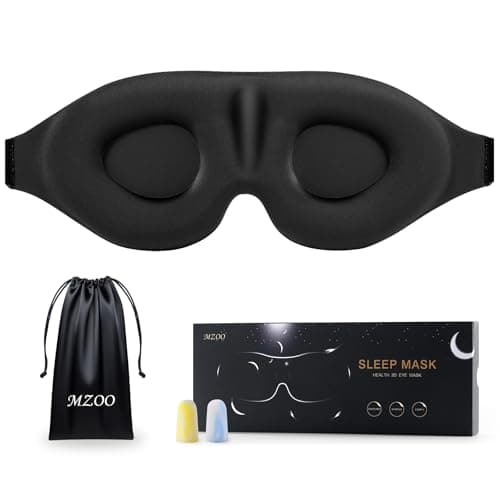
Best travel sleep mask
Travel sleep masks judged on the published geometry that matters: cup depth, nose padding and strap range, plus what each one costs you in bulk.
Top pick: MZOO Contoured Sleep Mask
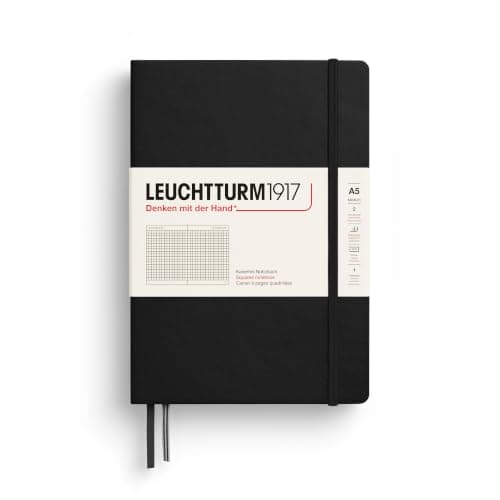
Best travel journal
Travel journals compared on published pages, page size and weight - including the ounces-per-page figure nobody prints on the cover.
Top pick: LEUCHTTURM1917 Medium A5 Hardcover Notebook
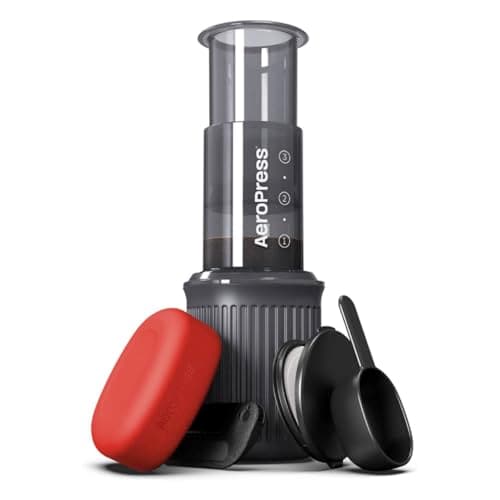
Best portable coffee maker
Hand-powered travel coffee makers compared on published pressure, packed size and weight - and on what else you have to carry to use each one.
Top pick: AeroPress Go Portable Coffee Maker Kit
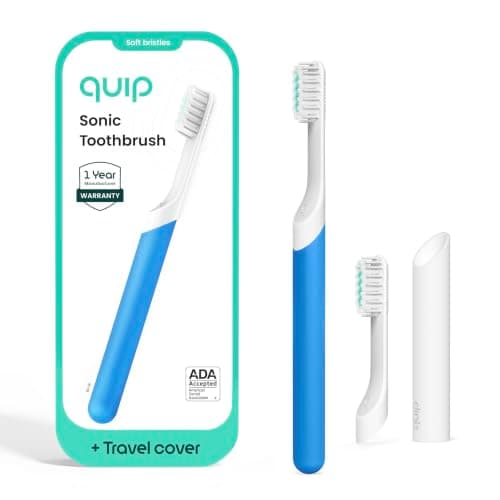
Best travel toothbrush
Travel electric toothbrushes compared on published battery life, power source and what is actually in the box - including the adapter that is not.
Top pick: Quip Sonic Electric Toothbrush
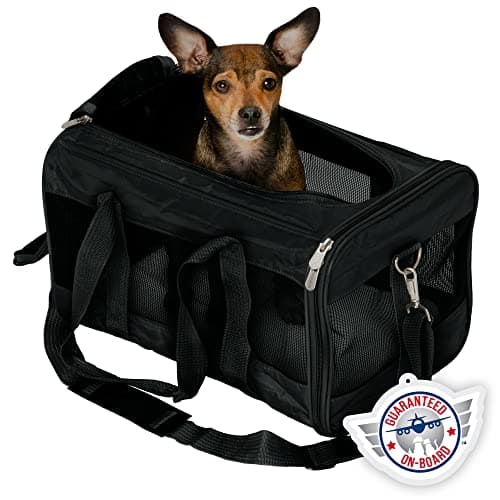
Best in-cabin pet carrier
In-cabin pet carriers checked against published personal-item boxes at every US carrier - including what happens when you compress them.
Top pick: Sherpa Original Deluxe Pet Carrier (Medium)
Prices last verified October 19, 2026. Prices move — the figure you see on Amazon at the moment you click is the real one.
Accessories are where a gear site earns or loses trust fastest, because the products are cheap enough that nobody checks and the marketing is at its loosest. So this section is deliberately narrow. Three categories, each chosen because there is a specific published number that decides whether the product does its job, and each ranked on that number.
The three rankings above answer one category each. If you are outfitting from scratch rather than replacing a single item, the full travel kit costed in published weight runs through all eight categories at once — and answers the question that category is usually sold on, which is whether a “women’s” version is a different product or a different color. On our reading of what the makers publish, it is one out of eight.
Four pages answer more specific versions of this section’s categories. Toiletry bottles costs the 3-1-1 quart per fluid ounce and finds a factor of six. Adapters for Europe covers the four plug standards a single trip can cross. Pillows for side sleepers is about the direction your head falls, and makeup bags and jewelry cases cover the two categories that overlap this one most.
Cord organizers and packable laundry bags are real categories with real demand and neither is on this site yet. That is not an oversight — it is the difference between a page with a researched ranking behind it and a page that exists to catch a search. When each of those has a set of products whose specs we have actually compiled, it will get a page.
The same applies to the weight arithmetic. Accessories are the easiest place to spend your allowance without noticing: the toiletry bag, the adapter and the pillow in this section total roughly 1.7 lb between them before a single item of clothing is packed. On Hawaiian’s published 25 lb carry-on cap that is nearly seven percent of the allowance, which is worth knowing before you buy the heavier version of any of them.
Accessories are the category where manufacturers publish least, and it changes what a ranking here can honestly claim. Several products we would like to compare publish no weight, no capacity and no warranty term — which means three of our four scoring axes cannot be computed for them at all.
Rather than fill those gaps with estimates, the pages here say Not published and score on what is left. The consequence is that our accessory rankings are shorter than the ones you will find elsewhere, and every entry can be traced to a manufacturer page. The rule that produces that applies across the whole site, but this is the section where it bites hardest.
There is a pattern in the gaps worth naming. In every accessory category we have compiled, the products with a published warranty are the expensive ones, and the products you would reach for on price publish no term at all. On a $50 toiletry bag with an open-ended warranty that works out at $2.50 per covered year, which reframes the price gap considerably.
If there is one rule for this section, it is that accessories should be bought at the lightest specification that still does the job, because none of them does much work per ounce. The published spread is larger than people expect: toiletry bags in our ledger run from 6.2 oz to 14.1 oz for the same legal liquid payload, and travel pillows from 7.4 oz to 11.6 oz.
Doubling the weight of an accessory buys you very little, and on a carrier that publishes a carry-on weight cap it costs you payload you would rather spend on clothes.
The TSA-approved toiletry bag begins by pointing out that no such approval exists. Accessories under $25 finds that seven of the eleven products in that bracket publish no warranty term at all, Trtl against Cabeau turns on which way your head falls when you sleep, and the men’s kit weighs a complete carry-on-only setup at 5.29 lb.
Two price-led lists: everything we track under $100, ranked on cost per covered year, and the starter kit for a first trip, which is one real purchase and four cheap ones.
Earplugs for flying is the one page here where the cheapest product publishes the best number — NRR 33 dB for under $10 — and it explains why that figure cannot be compared with the 25 dB SNR the reusable plugs publish. Travel blankets split on fabric: one wicks heat away, the other insulates and packs to 4 × 10 in. Travel umbrellas find the lightest at 0.49 lb against 0.9 lb for the same canopy, and pill organizers start with the arithmetic everyone gets wrong: a seven-compartment box is seven doses, not a week of twice-daily pills.
Travel first aid kits are advertised on piece count, and it is the figure that tells you least. Of the one kit here that publishes its contents line by line, 108 of 130 pieces are adhesive bandages, closures and pads — so a130-piece kit and an 80-piece kit can differ by fifty bandages and nothing else. The kit we would carry has the lowest headline count of the four and the only published blister care, antihistamine and tool, at 3.6 oz.
Hand warmers split on a rule rather than on heat: a rechargeable warmer is a lithium cell and flies in the cabin only, while an air-activated one has no battery and goes in either bag — and the disposables publish the hotter figure anyway, at 135°F against 125°F. And travel gifts is built on a different test from the price lists above it: not what is good, but what a frequent traveler does not already own.
Sleep masks come down to two published numbers almost nobody prints — cup depth and nose padding — and the cheapest mask here is the one that publishes both. Travel journals are compared on ounces per page: numbered pages and a published paper weight cost you 3.5 oz against the lighter hardcover. Portable espresso makers all weigh within 1.1 oz of each other, so the decision is the grinder and the cup, not the weight. And travel toothbrushes split on power: one publishes 14 days per charge and ships without a power adapter, two run on a AAA you can buy anywhere.
In-cabin pet carriers were run through the same arithmetic as every suitcase on this site, and the result is worth knowing before you buy one: none of the three clears a published personal-item box at its full published size. Only the Sleepypod, compressed from 22 × 10.5 × 10.5 in to a published 16 × 10.5 × 8 in, clears seven of the eight US carriers that publish a box at all. The deciding property in this category is squash.